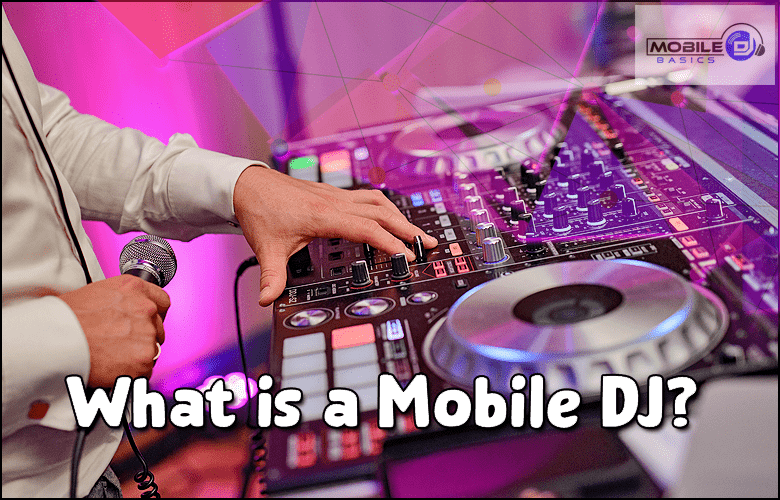
What Is A Mobile DJ is a professional entertainer who brings their equipment, music, and expertise directly to your event location. Unlike club DJs who work at fixed venues, mobile DJs travel with portable sound systems, lighting, and music libraries to create memorable experiences at weddings, parties, corporate events, and celebrations.
Mobile DJs handle everything from setting up equipment to reading the crowd and keeping the energy flowing throughout your event. They serve as both music curator and master of ceremonies, ensuring your celebration runs smoothly from start to finish.
TL;DR
- Mobile DJs charge between $800-$2,500 per event depending on location, equipment, and services included.
- They typically carry 2,000-10,000 songs across multiple genres to handle any music request.
- Setup time ranges from 1-3 hours before your event starts, with breakdown taking 30-60 minutes.
- Most mobile DJs book 6-12 months in advance for popular dates like summer weekends.
What Is A Mobile DJ and How They Work
A mobile DJ operates as a traveling entertainment service that brings the party to your chosen venue. They transport professional-grade audio equipment, microphones, lighting systems, and extensive music collections in specially equipped vehicles designed for easy setup and transport.
The core difference between mobile DJs and venue-based DJs lies in their flexibility and comprehensive service approach. Mobile DJs handle multiple responsibilities including equipment setup, sound engineering, crowd interaction, and event coordination throughout your celebration.
Equipment and Technology
Professional mobile DJs invest in portable yet powerful equipment designed for various venue sizes and conditions. Their standard setup includes speakers, mixing consoles, microphones, and backup systems to ensure uninterrupted entertainment.
- Sound Systems – Powered speakers ranging from 500-2,000 watts per side for different venue sizes.
- Mixing Equipment – Digital controllers or traditional turntables for seamless music transitions.
- Microphones – Wireless and wired options for speeches, announcements, and interactive activities.
- Lighting – LED uplighting, dance floor lighting, and special effects to create atmosphere.
- Backup Gear – Redundant equipment to handle technical issues without interrupting your event.
Services Mobile DJs Provide
Mobile DJs offer comprehensive entertainment packages that go far beyond simply playing music. They act as event coordinators, ensuring your timeline stays on track while creating the perfect atmosphere for each moment of your celebration.
Music Programming and Mixing
Professional mobile DJs curate playlists based on your preferences, guest demographics, and event type. They read the crowd throughout the night, adjusting music selection and energy levels to maintain optimal dance floor engagement.
Finding and organizing music requires extensive knowledge of different genres, decades, and cultural preferences to satisfy diverse guest lists at events.
Master of Ceremonies (MC) Services
Most mobile DJs provide MC services, handling announcements, introductions, and coordinating with other vendors throughout your event. Professional MC skills ensure smooth transitions between different parts of your celebration.
- Timeline Management – Coordinating with caterers, photographers, and venue staff for seamless event flow.
- Special Moments – Announcing first dances, cake cutting, bouquet tosses, and other milestone moments.
- Interactive Elements – Leading group dances, games, and activities to engage all guests.
- Crowd Control – Directing guests for photos, meal service, and other organized activities.
Types of Events Mobile DJs Handle
Mobile DJs specialize in different event types, with many focusing on specific niches to develop expertise and build targeted marketing strategies. Each event type requires different skills, music knowledge, and equipment configurations.
Wedding Receptions
Wedding DJs handle complex timelines involving ceremony music, cocktail hour background music, dinner entertainment, and dance party segments. Great wedding DJs coordinate with photographers, wedding planners, and catering staff to ensure perfect timing for special moments.
Corporate Events
Corporate functions require professional presentation skills and appropriate music selection for networking events, holiday parties, product launches, and company celebrations. Mobile DJs adapt their approach to match company culture and maintain professional atmosphere.
Private Parties
Birthday parties, anniversaries, graduations, and family gatherings allow mobile DJs to customize entertainment based on specific themes, age groups, and cultural preferences. Party DJing focuses on creating fun, relaxed environments that encourage guest participation.
Booking Timeline
Book your mobile DJ 6-12 months in advance for popular dates. Summer weekends and holiday periods fill up quickly, especially for experienced professionals.
Pricing and Investment
Mobile DJ pricing varies significantly based on location, experience level, services included, and event duration. Most professionals offer packages that include equipment, setup, performance time, and basic lighting.
Cost Factors
Several elements influence mobile DJ pricing, with experienced professionals commanding higher rates due to their reliability, equipment quality, and entertainment skills.
- Geographic Location – Urban markets typically charge $1,200-$2,500 while rural areas range from $600-$1,500.
- Event Duration – Standard 6-8 hour packages with overtime rates of $100-$200 per additional hour.
- Equipment Needs – Large venues requiring multiple speakers or special lighting increase package prices.
- Additional Services – Photography, videography, photo booths, or ceremony sound add $200-$800 to base packages.
- Travel Distance – Events beyond 30 miles often include travel fees of $0.50-$1.00 per mile.
How to Choose the Right Mobile DJ
Selecting a mobile DJ requires evaluating their experience, equipment quality, personality fit, and professional approach to ensure they match your event vision and guest expectations.
Important questions to discuss during consultations help you understand their experience level, backup plans, and specific services included in their packages.
Key Selection Criteria
- Experience Level. Look for DJs with at least 50 events in your event type and positive recent reviews.
- Equipment Quality. Professional-grade sound systems, wireless microphones, and backup equipment demonstrate serious commitment.
- Music Library. Extensive collections covering multiple decades and genres ensure they can handle diverse musical tastes.
- Communication Skills. Clear, prompt responses and detailed contracts indicate professional business practices.
- Personality Match. Your DJ’s energy and style should align with your event vision and comfort level.
Articles You May Like
Frequently Asked Questions
How far in advance should I book a mobile DJ?
Book 6-12 months in advance for popular dates like summer weekends and holidays. High-quality DJs often have limited availability during peak wedding season.
What equipment does a mobile DJ bring to my event?
Mobile DJs provide speakers, mixing equipment, microphones, basic lighting, and all necessary cables and power equipment. Many also offer uplighting and special effects for additional fees.
Do mobile DJs take music requests during events?
Most mobile DJs welcome appropriate requests and will play them if they fit the event flow and have the songs available. They balance requests with reading the overall crowd response.
How long does DJ setup and breakdown take?
Setup typically takes 1-3 hours depending on equipment complexity and venue layout. Breakdown usually requires 30-60 minutes after your event ends.
What happens if the mobile DJ gets sick or has an emergency?
Professional mobile DJs maintain networks of qualified backup DJs and include emergency coverage policies in their contracts to ensure your event continues as planned.
Final Thoughts
What Is A Mobile DJ represents a professional entertainment service that brings expertise, equipment, and energy directly to your celebration venue. They combine technical skills with crowd-reading abilities to create memorable experiences tailored to your specific event needs.
Start researching mobile DJs in your area early and schedule consultations to find the perfect match for your celebration style and budget requirements.

Subscribe to Our Newsletter

From discovering new songs to getting more gigs, I’m excited to share the wealth of knowledge I’ve gained through many years of DJing. [email protected]