

How To MC A Wedding requires mastering the art of seamless event flow while keeping guests engaged throughout the celebration. As the wedding MC, you serve as the voice that guides everyone through each special moment, from the grand entrance to the final dance. Your role goes far beyond simple announcements – you’re the storyteller who helps create lasting memories for the couple and their loved ones.
Wedding MC duties blend entertainment skills with organizational precision. You’ll coordinate with vendors, manage timing, and read the room to ensure every transition feels natural and every guest feels included in the celebration.
TL;DR
- Meet with the couple 2-3 weeks before the wedding to review timeline, pronunciation of names, and special requests.
- Arrive 90 minutes early to coordinate with photographers, caterers, and venue staff about timing.
- Keep announcements to 30-45 seconds maximum to maintain energy and guest attention.
- Have a backup microphone and speaker system ready in case of technical difficulties.
How To MC A Wedding Successfully
Wedding MC success starts with thorough preparation weeks before the big day. Schedule a detailed meeting with the couple to discuss their vision, timeline preferences, and any family dynamics you should know about. This conversation helps you understand their personality as a couple and what tone they want for their reception.
Create a comprehensive timeline that includes buffer time between events. Most couples underestimate how long certain activities take, so build in 5-10 minute cushions between major moments like toasts, cake cutting, and bouquet toss.
Essential Pre-Wedding Preparation
- Name pronunciations – Practice saying every name in the wedding party, immediate family, and vendors multiple times.
- Special traditions – Learn about cultural or family customs that require specific announcements or timing.
- Vendor coordination – Get contact information for the photographer, caterer, and venue coordinator.
- Emergency contacts – Know who to reach if the couple needs to make last-minute changes.
Managing the Reception Timeline
Your primary job as wedding MC involves keeping the reception flowing smoothly without feeling rushed. Start each announcement by getting the room’s attention, then deliver your message clearly and concisely. Always speak slowly enough that elderly guests and children can understand you.
Watch the catering staff for timing cues during dinner service. They’ll signal when to begin toasts or when tables are ready for the cake cutting. This coordination ensures food stays warm and service runs smoothly for all guests.
Key Reception Moments to Manage
- Grand entrance. Build excitement while keeping announcements brief and energetic.
- First dance. Set a romantic mood with thoughtful words about the couple’s love story.
- Toasts and speeches. Introduce speakers warmly and manage time limits tactfully.
- Dinner service. Coordinate table releases with catering staff for efficient service.
- Special dances. Create emotional moments for parent dances and anniversary celebrations.
- Cake cutting. Gather guests for photos while explaining the tradition’s significance.
- Bouquet and garter toss. Encourage participation while keeping activities family-friendly.
- Last dance. Help guests understand when the evening is ending and thank them for attending.
Read the Room Like a Pro
Watch guest energy levels throughout the evening and adjust your approach accordingly. If the crowd seems tired after dinner, skip lengthy introductions and focus on getting people dancing again.
Professional MC Communication Skills
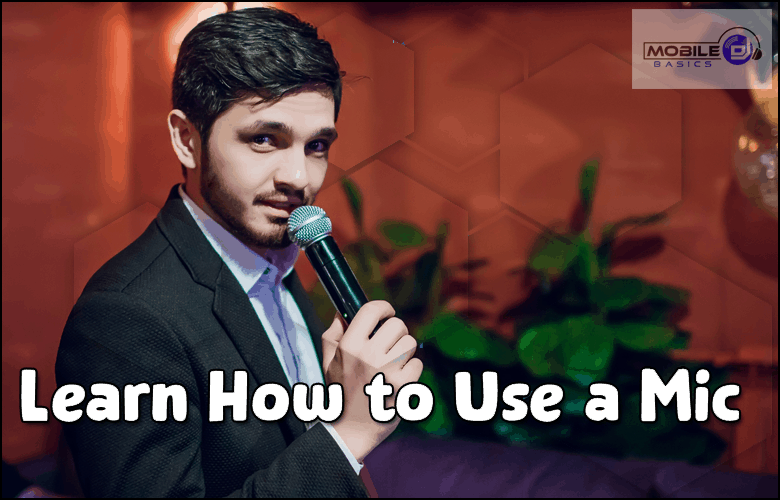
Clear communication separates amateur wedding MCs from professionals who create memorable celebrations. Speak at half your normal speed and project your voice to the back of the room. Use the microphone properly by holding it two inches from your mouth and speaking across it rather than directly into it.
Develop your own style of announcements that feels authentic to your personality. Some MCs prefer formal, traditional language while others use casual, conversational tones. Choose an approach that matches the couple’s preferences and the overall wedding atmosphere.
Essential MC Announcements
- Welcome message – Thank guests for attending and set expectations for the evening.
- Vendor acknowledgments – Recognize the photographer, caterer, and other key service providers.
- Special guest introductions – Highlight out-of-town visitors and important family members.
- Tradition explanations – Help guests understand cultural customs they might not recognize.
- Logistics updates – Communicate bathroom locations, coat check, and transportation details.
Handling Unexpected Situations
Wedding receptions rarely go exactly according to plan, so successful MCs adapt quickly to changing circumstances. Keep emergency contact numbers handy and maintain calm professionalism when problems arise. Your composed demeanor helps guests stay relaxed even when behind-the-scenes issues occur.
Common situations include delayed vendor arrivals, family drama, technical difficulties, and weather changes for outdoor elements. Have backup plans ready and communicate changes to guests in positive, solution-focused language that doesn’t create panic or disappointment.
Technical Preparation Essentials
- Sound system backup – Bring extra microphones and know how to troubleshoot common audio problems.
- Music coordination – Work with the DJ to plan entrance music, background audio, and special song requests.
- Lighting awareness – Understand how room lighting affects different activities like speeches and dancing.
- Equipment familiarity – Test all microphones and speakers during setup to avoid surprises.
Working With Wedding Vendors
Successful wedding MCs build strong relationships with other vendors throughout the event. Photographers need advance notice before important moments to position themselves properly. Caterers require coordination for timing food service around speeches and activities.
The venue coordinator becomes your primary partner for logistics like room setup changes, lighting adjustments, and guest services. Maintain open communication with all vendors to ensure everyone works together toward the couple’s vision for their perfect day.
Articles You May Like
Frequently Asked Questions
How long should wedding MC announcements be?
Keep announcements between 30-45 seconds to maintain guest attention and energy. Longer announcements risk losing the audience and disrupting the reception flow.
When should I arrive for wedding MC duties?
Arrive 90 minutes before the reception starts to coordinate with vendors, test equipment, and review any last-minute changes with the couple.
What should I do if the microphone stops working?
Have a backup microphone ready and know basic troubleshooting steps like checking battery levels and connections. Practice projecting your voice without amplification as a last resort.
How do I handle drunk guests during announcements?
Stay calm and professional while gently redirecting attention back to the scheduled activities. Work with venue staff or the wedding party to manage disruptive behavior privately.
Should I prepare backup material in case events run short?
Yes, have 2-3 additional activities or games ready in case the timeline moves faster than expected. Simple options include anniversary dances or trivia about the couple.
Final Thoughts
How to MC a wedding successfully combines preparation, communication skills, and adaptability to create memorable celebrations for couples and their guests. The role requires balancing entertainment with organization while maintaining professional composure throughout unexpected challenges.
Start practicing these skills at smaller events and build your confidence before taking on wedding MC responsibilities. With proper preparation and genuine care for the couple’s special day, you’ll help create lasting memories that families treasure for years to come.



Subscribe to Our Newsletter

From discovering new songs to getting more gigs, I’m excited to share the wealth of knowledge I’ve gained through many years of DJing. [email protected]