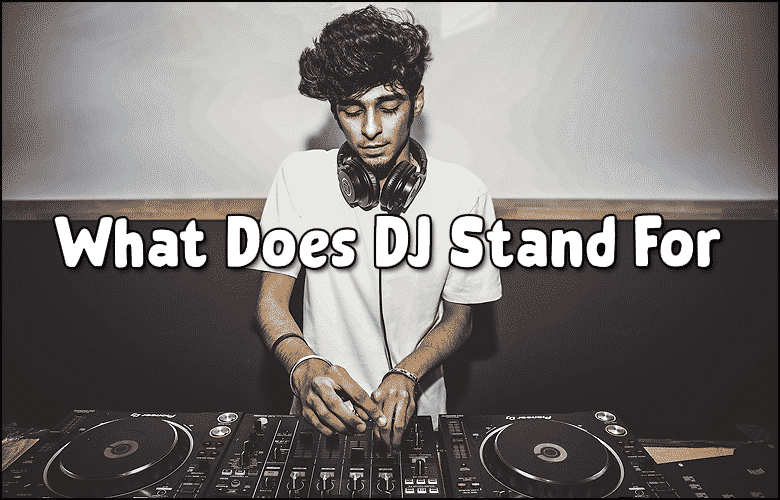
What Does DJ Stand For might seem like a simple question, but understanding the origins and evolution of this term reveals the rich history of modern music entertainment. The acronym DJ stands for “disc jockey,” a title that originated in the 1930s when radio personalities played vinyl records on air. Today, DJs have expanded far beyond radio to become essential entertainment professionals for weddings, parties, clubs, and events worldwide.
The term has evolved significantly since its radio roots, now encompassing everything from bedroom producers to festival headliners. Modern DJs blend music, read crowds, and create memorable experiences using both traditional and cutting-edge technology.
TL;DR
- DJ stands for “disc jockey,” a term coined in the 1930s for radio hosts who played vinyl records.
- The first documented use of “disc jockey” appeared in Variety magazine in 1937.
- Mobile DJs typically charge $500-$1,500 for wedding receptions depending on location and services.
- Modern DJ software can sync tracks automatically, but skilled DJs still beatmatch manually for better crowd control.
What Does DJ Stand For: The Complete History
The term “disc jockey” emerged during the golden age of radio when broadcasters needed a way to describe their role as music selectors and presenters. Early radio DJs manually cued up vinyl records, announced songs, and entertained listeners between tracks. This hands-on approach to music presentation laid the foundation for what we now recognize as modern DJing.
Radio pioneer Martin Block is often credited as one of the first prominent disc jockeys in the 1930s. His show “Make Believe Ballroom” on WNEW in New York City helped establish the DJ as a personality rather than just a voice reading announcements.
Evolution from Radio to Live Performance
The transition from radio to live performance began in the 1940s and 1950s when DJs started appearing at dance halls and sock hops. These early mobile DJs brought their record collections to venues, creating the blueprint for modern mobile DJ services. They discovered that reading a live crowd required different skills than radio broadcasting.
The 1970s marked a major turning point when DJs in New York’s hip-hop scene began using turntables as musical instruments. Pioneers like DJ Kool Herc and Grandmaster Flash transformed DJing from simple music playback into creative performance art.
The Mobile DJ Revolution
Mobile DJs emerged as a distinct category in the 1980s when portable sound systems became more affordable and reliable. These professionals specialized in private events, bringing both music and entertainment expertise to weddings, corporate functions, and parties. What is a mobile DJ has become a common question as this industry segment continues growing rapidly.
Today’s mobile DJs combine traditional mixing skills with crowd reading, MC duties, and event coordination. They handle everything from ceremony music to reception entertainment, making them essential partners for successful celebrations.
Modern DJ Categories and Specializations
The DJ profession has branched into several specialized areas, each requiring different skills and equipment setups. Understanding these categories helps explain why the simple question “what does DJ stand for” has such a complex answer in today’s music landscape.
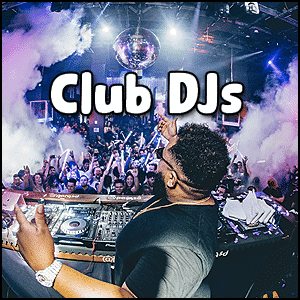
- Club DJs – Focus on nightclub environments, mixing electronic dance music and reading dance floor energy.
- Radio DJs – Continue the original tradition of broadcasting music and entertainment to listeners.
- Mobile DJs – Provide comprehensive entertainment services for private events and celebrations.
- Producer DJs – Create original music while also performing live sets of their own tracks.
- Turntablists – Specialize in technical skills like scratching and beat juggling as performance art.
Each category requires different technical skills and business approaches. What does a mobile DJ do differs significantly from club DJ responsibilities, for example.
Technology’s Impact on DJing
Digital technology has transformed how DJs work while keeping the core mission the same. Vinyl records gave way to CDs, which evolved into digital files played through specialized software and controllers. However, the fundamental skills of reading crowds and creating seamless musical experiences remain unchanged.
Modern DJs use laptop-based systems like Serato, Traktor, or Virtual DJ to manage massive music libraries. These tools provide features like automatic beatmatching and key detection, but experienced DJs know that technology serves the music, not the other way around.
Learning DJ Basics
Learn how to DJ by starting with free software and practicing basic mixing techniques. Focus on understanding music structure before investing in expensive equipment.
Skills That Define Professional DJs
Regardless of specialization, all professional DJs share certain core competencies that separate them from casual music players. These skills develop through practice and real-world experience with diverse audiences and musical situations.
- Beatmatching. Synchronizing the tempo of different songs to create smooth transitions between tracks.
- Music Selection. Choosing the right songs for the moment based on crowd response and energy levels.
- Reading the Room. Observing audience behavior and adjusting the music accordingly to maintain engagement.
- Technical Proficiency. Operating DJ equipment efficiently while maintaining focus on the crowd and music.
- Entertainment Skills. Engaging audiences through microphone work, personality, and stage presence when appropriate.
How to DJ a party successfully requires mastering these fundamentals plus understanding event flow and timing.
The Business Side of DJing
Professional DJs run businesses that extend far beyond playing music. They handle client consultations, equipment maintenance, music licensing, marketing, and financial management. Mobile DJs especially need strong business skills since they work directly with clients planning important life events.
Successful DJs invest time in building their music libraries, upgrading equipment, and developing relationships with vendors and venues. They understand that consistency and professionalism matter more than having the newest gear or playing the trendiest tracks.
Getting Started in the DJ Industry
New DJs benefit from starting with smaller events to build experience and confidence. Many begin by helping friends with parties or volunteering for community events. This approach provides valuable practice time while building a portfolio of successful events.
Questions to ask clients during initial consultations help new DJs understand expectations and deliver better service from their first paid events.
Articles You May Like
Frequently Asked Questions
What does DJ stand for in music?
DJ stands for “disc jockey,” referring to someone who plays and mixes recorded music for audiences. The term originated in 1930s radio when hosts played vinyl records on air.
When was the term DJ first used?
The term “disc jockey” first appeared in print in Variety magazine in 1937, though radio personalities had been playing records since the early 1930s.
What’s the difference between a DJ and a mobile DJ?
A mobile DJ specifically provides entertainment services for private events like weddings and parties, bringing their own equipment to various locations. Regular DJs might work in fixed venues like clubs or radio stations.
Do DJs need special training or certification?
No formal certification is required to become a DJ, though many benefit from courses in music production, sound engineering, or business management. Skills develop primarily through practice and real-world experience.
Final Thoughts
What Does DJ Stand For represents more than just an acronym – it encompasses a rich history of musical entertainment that continues evolving with technology and culture. From 1930s radio hosts to modern mobile entertainers, DJs remain essential connectors between music and audiences.
Understanding this history helps appreciate why professional DJs bring unique value to events and celebrations today. The title “disc jockey” carries decades of tradition while embracing endless possibilities for creative expression and entertainment.
From discovering new songs to getting more gigs, I’m excited to share the wealth of knowledge I’ve gained through many years of DJing. [email protected]