We may earn a commission when you purchase through them.
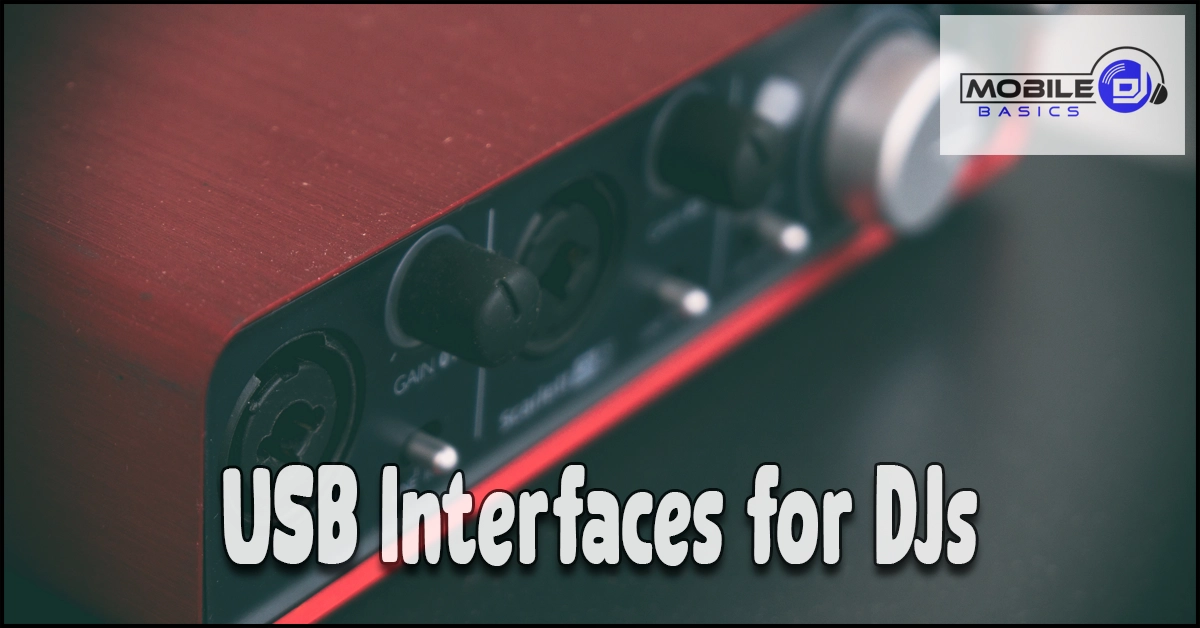
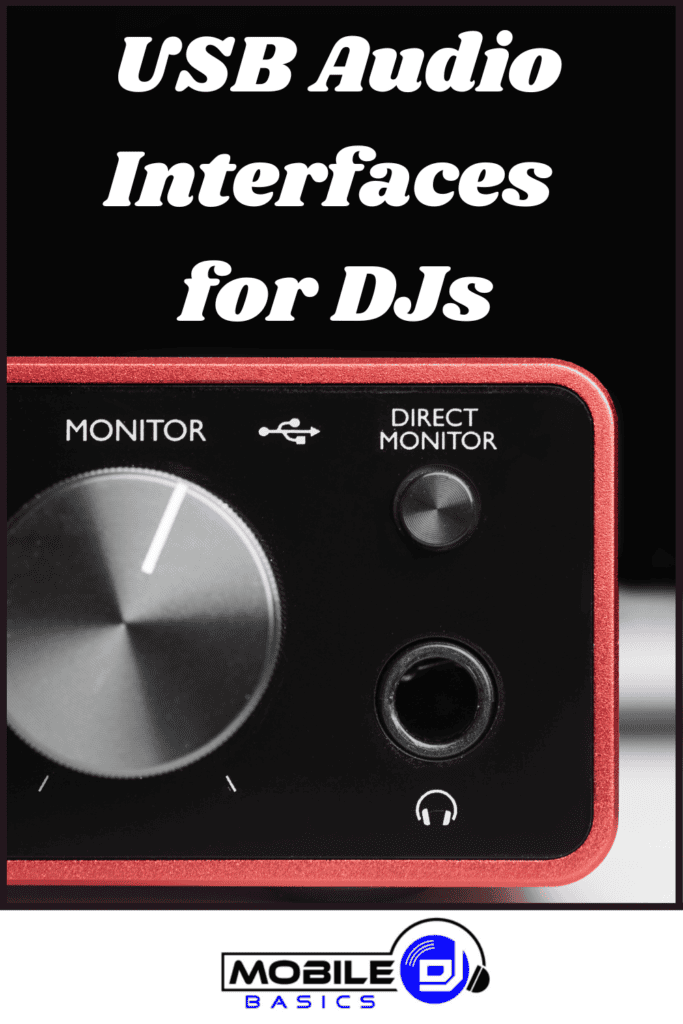
USB interfaces for DJs turn your laptop into a clean-sounding hub, taking audio in and out with far better quality and lower latency than a computer’s built-in sound card. If you run a hybrid or laptop-based rig, record your sets, or want a digital vinyl setup, the right interface is what makes it all sound professional.
The good news is you do not need to spend a fortune, and the field has settled around a few reliable choices. I have run cheap interfaces that hissed and dropped out at the worst moments, and a solid one that just worked for years, and the difference at a gig is night and day.
Below is what an interface actually does for a DJ, how to pick one, and the top picks that deliver clean sound and a stable connection. If you are still building a setup, the DJ gear for beginners rundown shows where an interface fits with everything else.
TL;DR – USB Interfaces for DJs Quick Facts
- Clean sound, low latency. A good interface gives you crisp audio in and out with no lag, which a laptop’s built-in card cannot match.
- Best all-round pick: the Focusrite Scarlett 2i2 for its preamps, build, and low-latency sound.
- Best value pick: the Focusrite Scarlett Solo, the same clean sound and build in a single-input box for less.
- Check what you’re plugging in. Match the number and type of inputs and outputs to your gear before you buy.
- Already have a controller or DVS mixer? It likely has an interface built in, so you may only need one for recording or a laptop rig.
- Buy from a real store. The picks here are stocked at both Amazon and Sweetwater, a simple filter against junk.
Featured Song Lists
What a USB Interface Does for a DJ
A USB interface is the bridge between your computer and the rest of your sound. It converts audio in and out at studio quality, with the two things a DJ cares about most: clean sound and low latency, so what you do lands the instant you do it.
For DJs, an interface earns its place in a few specific setups:
- A laptop or hybrid rig. If you run software off a laptop into a sound system, an interface gives you a proper, reliable output instead of the computer’s weak headphone jack.
- Recording your sets. An interface captures your mix in high quality, so you can share it online or study it later.
- Digital vinyl. If you control software with timecode records or CDs, an interface handles that signal, unless your mixer already does it.
- Adding a mic or instrument. The preamps let you plug in a microphone for hosting or an instrument for a live element.
One thing worth knowing before you spend: many modern DJ controllers and mixers already have an interface built in. If yours does, you are set for playing out, and an external interface is mainly for recording or a dedicated laptop setup. If it does not, or you want cleaner sound and more inputs, that is exactly what the picks below are for.
Our Favorite Articles
When You Do Not Need a Separate Interface
Before buying anything, check what you already own, because a lot of DJ gear has an audio interface built right in. If yours does, plugging a second one in adds nothing for playing out.
You can usually skip a standalone interface if you use:
- A DJ controller. Almost every modern controller, from a pocket-sized unit up, has a built-in sound card that sends a clean main output to speakers and a separate feed to your headphones. That is the whole job handled. See the best DJ controllers for what that looks like.
- A mixer with a built-in interface. Many club-style and scratch mixers include a USB audio interface, which also means they handle digital vinyl without a separate box. The best DJ mixers rundown covers which ones do.
- An all-in-one standalone system. These play straight from a USB drive with no laptop at all, so there is nothing for an interface to connect.
In those cases, an external interface only earns its place for a specific extra job, usually recording your sets in higher quality or running a laptop-only rig where the computer is your sound source. If that is you, the picks below are the right buy. If not, you may already have everything you need.
How to Choose a USB Interface
A handful of factors separate an interface that fits your setup from one that frustrates you.
Inputs and Outputs
Count what you need to plug in. Two in and two out covers most DJs, letting you connect a mic or a pair of sources and send a clean stereo output. If you run turntables for digital vinyl or record multiple sources, look for more.
Connection and Latency
A stable USB connection and low latency are the whole point. Low latency means no lag between your action and the sound, and a solid link means no dropouts mid-set. A modern USB-C interface from a known brand handles both.
Preamp and Sound Quality
The preamp is what colors your input signal. A clean, quiet preamp keeps your sound true without added noise, which matters whether you are recording a mix or running a mic. This is where the better interfaces pull ahead.
Build Quality
An interface gets carried, plugged, and unplugged constantly. A metal chassis and solid knobs hold up to that far better than a light plastic box, which is worth the small extra cost for gear you rely on.
Bundled Software
Most interfaces include recording software and plugins. If you plan to record or produce, that bundle adds real value and can save you buying it separately.
Tip: Set It as Your Output Before a Gig
Once you have an interface, the step people forget is telling your software and computer to actually use it. Select the interface as both the output and input device in your DJ software’s audio settings, and set it as the system sound device too, before you are standing in front of a crowd. Do it at home once, save the setup, and the interface will be ready every time instead of leaving you troubleshooting during soundcheck.
Other Articles
- DJ Controllers for Every Budget and Skill Level
- DJ Gear for Beginners – What to Buy First
- Best DJ Software for Music – Free and Paid Options
- Audio Mixers for DJs – When and Why You’d Need One
- Mobile DJ Equipment Reviews – Gear Guides for Every Budget and Setup
- Mobile DJ Equipment Reviews – Gear Guides for Every Budget and Setup
Top USB Interfaces for DJs
These are the interfaces I would put in a DJ’s setup for clean sound and reliability. They are all from Focusrite’s Scarlett line, the best-selling and most trusted interfaces around, and each is stocked at both Amazon and Sweetwater, which is a quick quality filter worth applying: a dedicated music retailer carrying gear is a better signal than a no-name listing on a marketplace. The three below are the same excellent interface at different sizes, so you pick by how much you need to plug in.
Focusrite Scarlett Solo – Best Budget Pick
If you want clean sound for the least money, the Solo is the entry point. It gives you one mic preamp and one instrument input in the same tough metal build and with the same studio-grade converters as its bigger siblings, so the audio quality does not drop with the price. It is ideal for a DJ who wants to record a stereo mix or add a single mic without spending much. If you know you only ever need one input, this is the smart buy.
Focusrite Scarlett 2i2 – Best All-Round Pick
The Scarlett 2i2 is the interface I recommend to most DJs, and it is one of the best-selling interfaces in the world for good reason. It has two excellent preamps, clean low-latency sound from converters shared with Focusrite’s high-end studio gear, and a tough metal build that survives the road. Two inputs and two outputs cover a mic, a source, and a clean stereo out, and features like Auto Gain set your levels for you. It connects over USB-C and comes with a full software bundle for recording. For a hybrid rig or capturing your sets, this is the safe, excellent choice.
Focusrite Scarlett 4i4 – Best for More Inputs
If you run more sources, the 4i4 is the step up. With four inputs and four outputs plus MIDI, it handles turntables, a mixer, a mic, and outboard gear at once, which suits a bigger hybrid rig or a DJ who also produces. You get the same preamps and converters as the 2i2, just with more connectivity and enough outputs for two sets of monitors. It costs more, and it is more than a simple laptop setup needs, but for a serious multi-source rig it is the one that will not run out of room.
| Interface | Best For | Inputs / Outputs | Standout |
|---|---|---|---|
| Focusrite Scarlett Solo | Budget, single input | 1 mic + 1 instrument / 2 out | Same sound quality for less |
| Focusrite Scarlett 2i2 | All-round DJ use | 2 in / 2 out | Top preamps, tough build, USB-C |
| Focusrite Scarlett 4i4 | Multi-source rigs | 4 in / 4 out + MIDI | Handles many sources at once |
All three give you cleaner sound than a laptop alone and hold up for years. Start with the 2i2 as the all-round pick, drop to the Solo if you only need one input and want to save, or step up to the 4i4 if you run several sources at once.


What About Digital Vinyl
If your reason for wanting an interface is digital vinyl, controlling software with timecode records or CDs, there is one thing to know. The old standalone digital-vinyl interfaces have mostly been discontinued, because that feature moved into the mixers and controllers themselves.
Today, the cleanest way to run digital vinyl is a mixer with a built-in interface and software support, rather than a separate box. Many current club-style and scratch mixers include exactly that. If you are shopping for that setup, the best DJ mixers rundown covers the models that handle digital vinyl natively, which is where I would point you before buying a standalone unit for that job.
DJ Lights to Buy
Getting the Best Sound From Your Interface
A good interface still needs a good setup around it. A few habits keep the sound clean:
- Install the right drivers. Download the maker’s current driver before your first gig so the interface runs at its lowest stable latency.
- Set your levels with headroom. Aim for a strong signal that never peaks into clipping. Auto Gain, where a unit has it, does this for you.
- Use quality cables. A cheap cable can undo a good interface with noise and dropouts. Buy decent ones and keep spares.
- Test before you rely on it. Run your full setup at home, record a few minutes, and listen back before you take it to a gig.
Do those and the interface disappears into the background, which is exactly what you want. Pair it with good DJ headphones so you can actually hear the clean signal it is giving you.
USB Interfaces for DJs FAQ
Do I need a USB interface to DJ?
Not always. Most modern controllers and many mixers have an interface built in, which covers playing out. You mainly need a separate interface for recording your sets, running a laptop-only rig, or getting cleaner sound and more inputs.
What is the best USB interface for DJs?
The Focusrite Scarlett 2i2 is the best all-round pick, with excellent preamps, a tough build, and clean low-latency sound. The Scarlett Solo is the best value option if you want to spend less, and the Scarlett 4i4 suits rigs with more sources.
How many inputs and outputs do I need?
Two in and two out covers most DJs, enough for a mic or a source plus a clean stereo output. If you run turntables for digital vinyl or record several sources at once, look for a model with more.
Why does latency matter for a DJ?
Latency is the delay between an action and the sound. High latency makes cueing and any live input feel laggy and off. A good interface keeps latency low so everything responds instantly.
Can I use a USB interface to record my sets?
Yes, and it is one of the best reasons to own one. An interface captures your mix in studio quality, far better than recording off a laptop alone, so you can share sets online or review them later.
Do I need a special interface for digital vinyl?
These days, the digital-vinyl interface is usually built into the mixer rather than a separate box, since most standalone units were discontinued. If digital vinyl is your goal, a mixer with a built-in interface is the cleaner route.
Does a more expensive interface sound better?
Up to a point. Better preamps and converters give cleaner, quieter sound, but past a certain level the gains are small for DJ use. A solid mid-range interface like the Scarlett 2i2 is plenty for most setups.
Final Thoughts
A USB interface is the piece that gives a laptop-based DJ clean, reliable, studio-quality sound, whether you are playing out, recording your sets, or building a hybrid rig. It is a small investment that pays off every time your audio just works.
For most DJs the Focusrite Scarlett 2i2 is the best all-round choice, with the Scarlett Solo as the value pick and the 4i4 for bigger rigs. Check what your controller or mixer already includes first, then buy the interface for the job it genuinely adds.
From here, round out the setup with the DJ gear for beginners rundown and the best DJ mixers if you want digital vinyl handled at the mixer.
Subscribe to Our Newsletter