
Vehicles For DJs play a crucial role in building a successful mobile entertainment business. The right vehicle can make the difference between smooth setups and stressful load-ins, between protecting your equipment and dealing with costly damage.
Choosing the perfect DJ vehicle means balancing cargo space, reliability, and budget considerations. Most successful mobile DJs eventually upgrade from cramming gear into sedans to investing in purpose-built transportation that supports their growing business.
TL;DR
- Minivans offer 144 cubic feet of cargo space – enough for a complete mobile DJ setup including speakers, lighting, and backup equipment.
- Pickup trucks with bed covers protect equipment from weather while providing easy loading access at tailgate height.
- Cargo vans deliver maximum protection and security with 466 cubic feet of enclosed storage space.
- SUVs balance passenger comfort with 72-109 cubic feet of cargo capacity for smaller mobile DJ operations.
Vehicles For DJs: Essential Transportation Options
Your vehicle choice directly impacts your efficiency and professionalism as a mobile DJ. The right transportation protects your investment in equipment while making load-in and setup faster.
Consider your typical gig requirements when selecting a vehicle. A wedding DJ needs different cargo capacity than someone focusing on small private parties or corporate events.
Minivans: The Popular Choice for Mobile DJs
Minivans consistently rank as the top choice among mobile DJs for good reason. They offer an ideal combination of cargo space, easy loading, and reasonable fuel economy.
Most minivans provide 144 cubic feet of cargo space with seats folded down. This accommodates a complete mobile setup including speakers, subwoofers, lighting equipment, and DJ booth components.
Popular Minivan Models for DJs
- Honda Odyssey – reliable with low maintenance costs and excellent resale value.
- Toyota Sienna – all-wheel drive option available for winter gigs and rough venues.
- Chrysler Pacifica – highest cargo capacity in class with power sliding doors for easy access.
- Nissan Quest – budget-friendly option with spacious interior layout.
The low floor height makes loading heavy speakers manageable without a team. Power sliding doors let you access equipment from both sides even in tight parking situations.
Pickup Trucks for DJ Equipment Transport
Pickup trucks work well for DJs who prioritize easy loading over weather protection. The open bed design allows quick access to equipment and accommodates oversized items that might not fit in enclosed vehicles.
A standard 6.5-foot truck bed provides approximately 62 cubic feet of storage space. Extended cab trucks with 8-foot beds offer around 71 cubic feet of capacity.
Truck Bed Solutions for Equipment Protection
- Hard tonneau covers – lockable protection from weather and theft between gigs.
- Soft roll-up covers – quick access with basic weather protection at lower cost.
- Truck bed toolboxes – secure storage for cables, microphones, and small accessories.
- Bed liners – prevent scratches and provide non-slip surface for equipment cases.
Consider crew cab models if you regularly transport assistants or band members to gigs. The additional passenger space justifies the investment for many mobile entertainment businesses.
Cargo Vans: Maximum Protection and Capacity
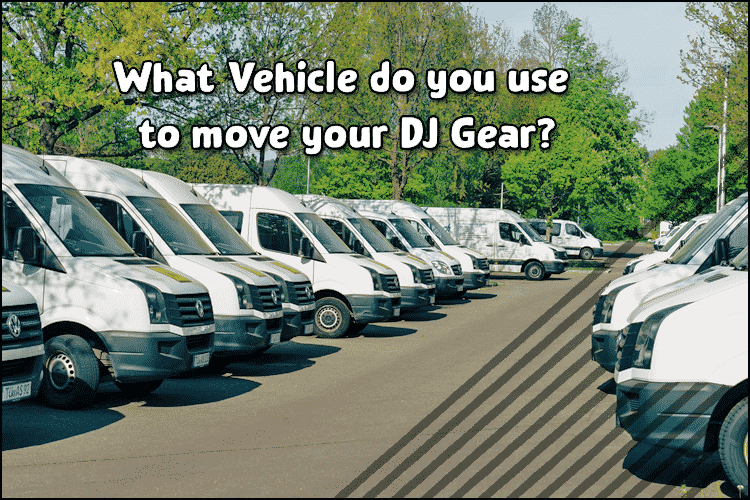
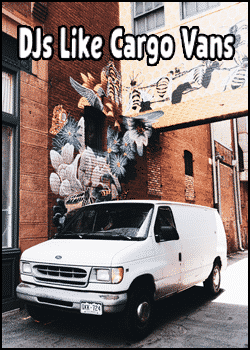
Cargo vans represent the professional standard for established mobile DJ businesses. They offer maximum cargo space, complete weather protection, and excellent security for expensive equipment.
Full-size cargo vans provide 400-466 cubic feet of storage space – enough for multiple complete setups or extensive lighting rigs. This capacity supports DJs who handle large events or operate multiple simultaneous bookings.
Cargo Van Advantages
- Weather protection. Equipment stays completely dry during transport and temporary storage.
- Security features. No visible equipment reduces theft risk compared to pickup trucks or SUVs.
- Professional appearance. Clean commercial vehicle enhances your business image at upscale venues.
- Customization options. Shelving systems and power inverters transform vans into mobile command centers.
The main drawbacks include higher fuel costs and challenging parking at residential venues. Consider your typical gig locations before committing to a full-size van.
SUVs for Smaller Mobile DJ Operations
SUVs work well for DJs focusing on smaller events or those just starting their mobile entertainment journey. They balance everyday usability with reasonable cargo capacity for basic DJ setups.
Mid-size SUVs typically offer 72-84 cubic feet of cargo space with rear seats folded. Full-size models can reach 109 cubic feet of storage capacity.
Measure Your Equipment First
Create a list of your essential equipment with dimensions before shopping for vehicles. This prevents costly mistakes and ensures your investment actually serves your business needs.
SUV Considerations for Mobile DJs
- Ground clearance – helpful for outdoor events and venues with poor parking areas.
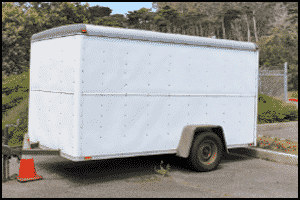
- Towing capacity – some DJs pull equipment trailers for expanded capacity.
- All-wheel drive – essential for winter gigs in northern climates.
- Fold-flat seats – maximizes cargo space when passenger seating is not needed.
Popular SUV choices include the Chevrolet Tahoe, Ford Explorer, and Toyota 4Runner for their combination of reliability and cargo capacity.
Special Considerations for DJ Vehicle Selection
Beyond basic cargo capacity, several factors impact vehicle suitability for mobile DJ operations. These considerations often determine long-term satisfaction with your transportation choice.
Loading Height and Accessibility
Equipment loading becomes easier with vehicles that have low cargo floors. Minivans typically offer the best loading height, while pickup trucks require lifting equipment higher than most people prefer.
Side doors and rear hatch openings should accommodate your largest equipment cases. Measure speaker cabinets and subwoofer dimensions before finalizing any vehicle purchase.
Fuel Economy Impact on Business Costs
Mobile DJs often drive significant distances between gigs, making fuel economy an important business consideration. Calculate annual fuel costs based on your typical mileage and local gas prices.
Minivans generally achieve better fuel economy than pickup trucks or cargo vans of similar capacity. The difference can amount to hundreds or thousands of dollars annually for busy mobile DJs.
Vehicle Reliability and Maintenance
Missing gigs due to vehicle breakdowns damages your reputation and income. Research reliability ratings and typical maintenance costs for any vehicle under consideration.
Japanese brands like Honda and Toyota consistently rank highest for reliability, while American brands often offer better initial pricing and cargo capacity options.
Equipment Organization and Vehicle Modifications
The best DJ vehicle becomes even more effective with proper organization systems. Simple modifications can dramatically improve loading efficiency and equipment protection.
Interior Storage Solutions
- Cargo nets – prevent equipment from sliding during transport.
- Foam padding – protects delicate equipment from vibration damage.
- Tie-down points – secure heavy speakers and subwoofers safely.
- Storage bins – organize cables, microphones, and small accessories.
Many mobile DJs install 12-volt power inverters to run equipment for sound checks without draining vehicle batteries. This modification proves especially valuable for outdoor events without convenient power access.
Budget Considerations for DJ Vehicles
Vehicle costs extend beyond the initial purchase price to include insurance, fuel, maintenance, and depreciation. Starting mobile DJs often begin with existing vehicles before upgrading as their business grows.
Used vehicles can provide excellent value for mobile DJ operations. Focus on models with proven reliability records rather than the newest features or styling.
Financing vs. Cash Purchase
Consider whether financing makes sense for your mobile DJ business. Vehicle loan interest may be tax-deductible as a business expense, but cash purchases avoid monthly payment obligations.
Leasing works for DJs who want newer vehicles with warranty coverage, though mileage restrictions may conflict with heavy business use patterns.
Frequently Asked Questions
What size vehicle do I need for a basic mobile DJ setup?
A minivan or mid-size SUV with 70+ cubic feet of cargo space handles most basic mobile DJ setups including two speakers, a subwoofer, mixer, and lighting equipment.
Should I buy new or used for my DJ vehicle?
Used vehicles often provide better value for mobile DJs since equipment transport doesn’t require the latest features. Focus on reliability and cargo capacity over age or styling.
Can I use a sedan or hatchback for mobile DJ work?
Small cars work for very basic setups with compact powered speakers, but most mobile DJs quickly outgrow sedans as they add lighting equipment and backup gear.
Do I need special insurance for a DJ vehicle?
Contact your insurance agent about commercial use coverage since regular personal auto policies may not cover business equipment transport or commercial activities.
What’s the best vehicle for winter DJ gigs?
All-wheel drive minivans or SUVs perform best in winter conditions, providing both cargo capacity and traction for reaching venues during bad weather.
Final Thoughts
Vehicles For DJs represent a significant business investment that impacts daily operations and long-term success. The right choice balances cargo capacity, reliability, and operating costs to support your mobile entertainment goals.
Start by honestly assessing your current and projected equipment needs, then test drive multiple vehicle types to find what works best for your specific situation and mobile DJ operation.

Subscribe to Our Newsletter

From discovering new songs to getting more gigs, I’m excited to share the wealth of knowledge I’ve gained through many years of DJing. [email protected]