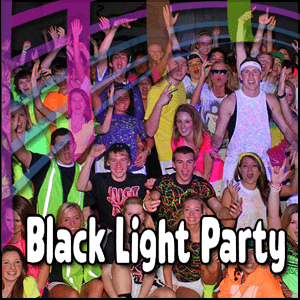

How To Plan A Homecoming Dance requires careful coordination of venue, entertainment, decorations, and student involvement to create a memorable celebration. Homecoming represents one of the most important school traditions, bringing together current students, alumni, and the broader community for a night of fun and school spirit. Planning this event successfully means balancing budget constraints with student expectations while ensuring every detail contributes to an unforgettable experience.
The key to a successful homecoming dance lies in starting early and involving students in the planning process. Most schools begin planning 3-4 months in advance to secure venues, book entertainment, and coordinate with other homecoming week activities.
TL;DR
- Start planning 3-4 months ahead to secure the best venue options and entertainment within your $3,000-$8,000 typical budget range.
- Form a planning committee with 8-12 students and 2-3 faculty advisors to divide responsibilities and ensure broad student input.
- Book your DJ or band 6-8 weeks before the dance, as quality entertainment gets reserved quickly during homecoming season.
- Plan for 60-80% of eligible students to attend, typically 200-400 students for most high schools.
How To Plan A Homecoming Dance Successfully
Creating a successful homecoming dance starts with understanding your school’s unique culture and traditions. Every school has different expectations, budget constraints, and student preferences that will shape your planning approach. Begin by reviewing feedback from previous years and surveying current students about their preferences for themes, music, and activities.
The planning process works best when you establish clear timelines and delegate responsibilities effectively. Most successful homecoming dances follow a structured approach that balances student creativity with practical logistics and budget management.
Building Your Planning Committee
Form a diverse planning committee that represents different grade levels and student interests. Your committee should include 8-12 students plus 2-3 faculty advisors who can provide guidance on school policies and budget management. Assign specific roles such as theme coordinator, decoration manager, entertainment liaison, and publicity director.
Hold weekly committee meetings starting 12-14 weeks before the dance date. Document all decisions and maintain shared planning documents that keep everyone informed of progress and deadlines. This collaborative approach ensures better student buy-in and reduces the workload on any single person.
Essential Committee Roles
- Theme Coordinator – Develops the overall theme concept and ensures consistent execution across all elements.
- Venue Manager – Handles location booking, setup requirements, and logistics coordination.
- Entertainment Liaison – Books DJ or band and coordinates music preferences and special announcements.
- Decoration Team Lead – Plans, purchases, and organizes decoration setup and cleanup crews.
- Publicity Director – Creates promotional materials and manages social media announcements.
- Budget Coordinator – Tracks expenses and ensures spending stays within approved limits.
Choosing Your Theme and Decorations
Select a theme that excites students while remaining practical for decoration and budget constraints. Popular homecoming themes include Hollywood glamour, enchanted garden, masquerade, retro decades, or school-specific concepts that celebrate your mascot or local culture. Survey students early in the planning process to gauge interest in different theme options.
Plan your decoration budget to represent 25-30% of your total dance budget. Focus spending on high-impact areas like the entrance, dance floor perimeter, and photo backdrop areas where students will spend the most time. Inclusive school dance themes help ensure all students feel welcome and excited to participate.
Budget-Friendly Decoration Ideas
- DIY Photo Booths – Create Instagram-worthy backdrops using fabric, balloons, and printed props for under $150.
- String Light Magic – Transform any space with warm LED string lights that cost $50-$100 but create major visual impact.
- Paper Flower Walls – Students can create large tissue paper flowers during lunch periods for beautiful, budget-friendly décor.
- Balloon Arrangements – Strategic balloon clusters and arches provide color and festivity for minimal cost.
- Fabric Draping – Inexpensive fabric from discount stores can create elegant ceiling and wall treatments.
Selecting the Perfect Venue
Book your venue 8-10 weeks before the dance date to ensure availability and allow time for decoration planning. School gymnasiums remain the most common choice due to cost and convenience, but consider the school cafeteria, library, or local community centers if they offer better ambiance or space configuration. Evaluate each venue option based on capacity, acoustics, decoration possibilities, and setup requirements.
Calculate space needs based on expected attendance – plan for 6-8 square feet per person for dancing areas and additional space for seating, refreshments, and circulation. Most homecoming dances see 60-80% attendance of eligible students, so plan accordingly when selecting venue size.
Venue Setup Success
Transform any venue by creating distinct zones – dancing area, socializing space, refreshment station, and photo opportunities. This layout keeps energy flowing and prevents overcrowding in any single area.
Entertainment and Music Planning
Book your entertainment 6-8 weeks before the event, as quality DJs and bands get reserved quickly during homecoming season. Research local entertainment options and read reviews from other school events to ensure you’re hiring reliable professionals. Professional mobile DJs bring experience managing school events and understand how to keep energy high throughout the evening.
Create a music planning survey for students to submit song requests and indicate their favorite genres. Share this information with your DJ or band 2-3 weeks before the dance to ensure they can accommodate student preferences while maintaining appropriate content standards.
Entertainment Budget Guidelines
- Professional DJ Services. Budget $400-$800 for experienced DJs who provide sound system, microphones, and lighting.
- Student Band Options. Local student bands may charge $200-$400 but require separate sound system rental.
- Sound System Rental. If hiring a band without equipment, budget $300-$500 for adequate sound system rental.
- Special Lighting. Enhanced lighting effects typically add $150-$300 to entertainment costs but significantly improve ambiance.
Managing Tickets and Promotion
Launch ticket sales 4-5 weeks before the dance with early bird pricing to encourage advance purchases and help predict attendance numbers. Price tickets to cover your costs while remaining affordable – most schools charge $15-$25 for individual tickets and $25-$40 for couples. Consider offering payment plans or scholarship tickets for students who need financial assistance.
Create excitement through social media campaigns, morning announcements, and creative promotional displays throughout the school. Effective school dance promotion builds momentum and increases attendance when students see their friends getting excited about the event.
Food and Refreshments
Plan refreshments based on your dance timing and budget constraints. Evening dances typically require more substantial refreshments than afternoon events. Budget $2-$4 per expected attendee for refreshments, focusing on items that are easy to serve and won’t create mess on the dance floor.
Consider partnering with local restaurants or catering services for appetizers and desserts, or organize parent volunteers to provide homemade treats. Always accommodate dietary restrictions and allergies when planning your refreshment menu.
Day-of-Event Coordination
Create a detailed timeline for setup, event activities, and cleanup with specific assignments for all committee members and volunteers. Plan to arrive 3-4 hours before the dance starts to allow adequate setup time without rushing. Assign someone to coordinate with your entertainment provider and ensure all technical requirements are met before students arrive.
Designate specific roles for the evening including door monitoring, cleanup coordination, and emergency contact person. Having clear responsibilities prevents confusion and ensures smooth event flow from start to finish.
Articles You May Like
Frequently Asked Questions
How much does it typically cost to plan a homecoming dance?
Most high school homecoming dances cost between $3,000-$8,000 total, covering venue, entertainment, decorations, refreshments, and promotional materials. Costs vary significantly based on school size and chosen venue options.
When should we start planning our homecoming dance?
Begin planning 12-14 weeks before your dance date to secure the best venues and entertainment options. This timeline allows adequate time for theme development, decoration preparation, and effective promotion.
How do we choose between hiring a DJ or booking a live band?
DJs typically offer more music variety and reliable sound quality for school dances, while bands provide live energy but may have limited song selection. Consider your budget, venue acoustics, and student music preferences when deciding.
What’s the best way to get students involved in planning?
Form a diverse student planning committee with representatives from different grades and activities. Hold regular meetings, create planning surveys, and give students ownership of specific aspects like theme selection and decoration creation.
How can we make our homecoming dance inclusive for all students?
Choose themes that appeal broadly, offer financial assistance for tickets, ensure accessible venue options, and create various activity areas for different comfort levels. Survey students about preferences and barriers to participation.
Final Thoughts
How To Plan A Homecoming Dance successfully requires balancing student excitement with practical logistics and budget management. The key lies in starting early, involving students in meaningful ways, and focusing on creating an inclusive celebration that builds lasting school memories.
Remember that your homecoming dance sets the tone for school spirit and community building throughout the year. Invest time in the planning process, delegate responsibilities effectively, and celebrate the success of bringing your school community together for this special tradition.
Subscribe to Our Newsletter

From discovering new songs to getting more gigs, I’m excited to share the wealth of knowledge I’ve gained through many years of DJing. [email protected]