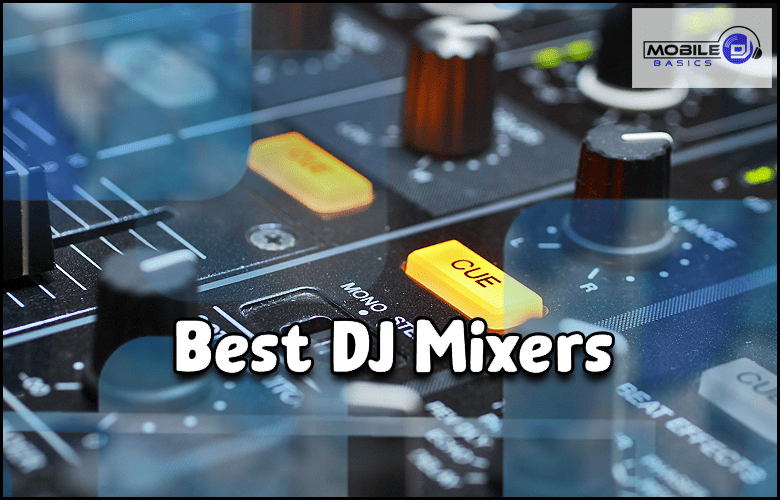
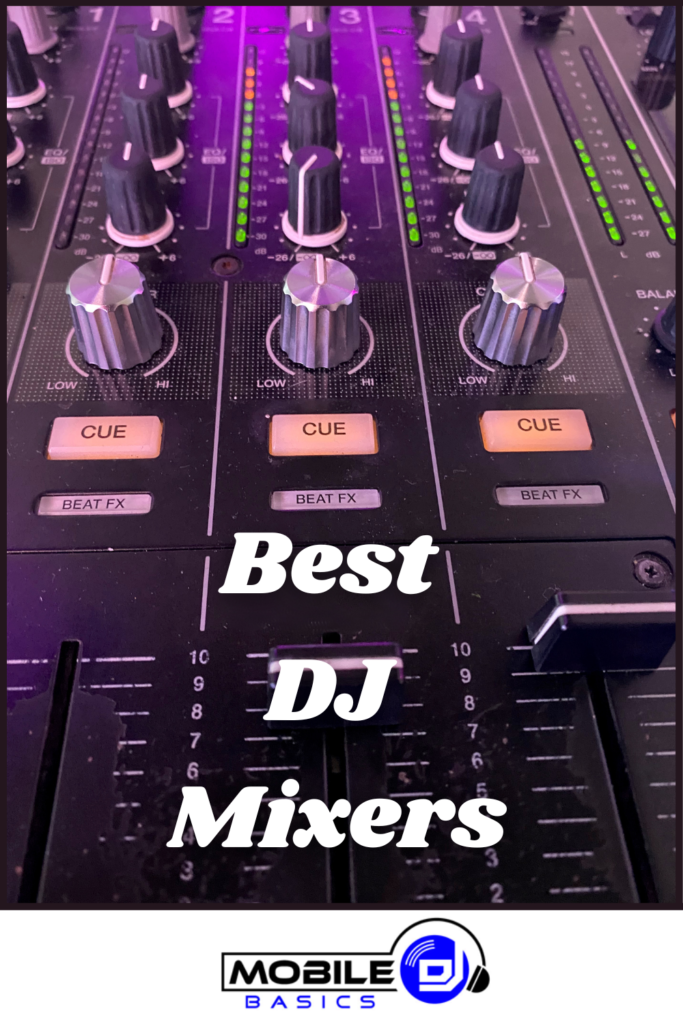
Best DJ Mixers represent the heart of any DJ setup, serving as the central hub where all your audio sources connect and blend together. Whether you’re spinning at club nights or private events, the right mixer determines how smoothly you can transition between tracks and control your sound. Modern DJ mixers range from compact 2-channel units perfect for bedroom DJs to professional 4-channel consoles loaded with advanced features.
The mixer you choose depends on your performance style, budget, and the venues where you’ll be playing. Club-standard mixers offer robust build quality and industry-standard layouts that work everywhere, while portable mixers prioritize convenience without sacrificing essential features.
TL;DR
- Pioneer DJM-900NXS2 remains the club standard with 4 channels and premium sound quality at $2,299.
- Allen & Heath Xone:96 offers analog warmth with 4+1 channels and costs around $2,799.
- Denon X1850 Prime delivers 4 channels with dual USB inputs for $1,199.
- Pioneer DJM-450 provides 2 channels with rekordbox integration starting at $599.
Best DJ Mixers for Every Performance Level
Professional DJ mixers fall into distinct categories based on channel count, features, and intended use. Club mixers prioritize reliability and industry-standard layouts, while studio mixers focus on sound quality and creative features. DJ controllers combine mixing and playback functions, but dedicated mixers offer superior build quality and more precise control.
The key specifications that separate good mixers from great ones include channel count, crossfader quality, EQ response, and connectivity options. Professional venues expect certain features like booth outputs, multiple mic inputs, and robust construction that survives nightly use.
Club-Standard Professional Mixers
These mixers define the professional DJ experience with features and build quality that meet industry standards. Every major club and festival stage relies on these models for consistent performance night after night.
Pioneer DJ DJM-900NXS2
The DJM-900NXS2 sets the benchmark for club mixers with its 4-channel layout and pristine sound quality. This mixer features the legendary Magvel crossfader, 64-bit mixing processing, and comprehensive connectivity including dual USB ports. Most professional DJs consider this the gold standard because it appears in virtually every major club worldwide.
Key features include Sound Color FX, Beat FX, and rekordbox LINK for seamless software integration. The build quality justifies the $2,299 price point with components designed for thousands of hours of professional use.
Allen & Heath Xone:96
The Xone:96 delivers the warm analog sound that made Allen & Heath famous among discerning DJs. This 4+1 channel mixer combines classic analog circuitry with modern digital features like dual USB soundcards and comprehensive MIDI control. House and techno DJs particularly appreciate the musical EQ response and smooth filter controls.
Advanced features include VCF filters, dual-curve crossfader, and extensive send/return routing. At $2,799, it represents the premium choice for DJs who prioritize sound character over pure functionality.
Denon DJ X1850 Prime
The X1850 Prime offers professional features at a more accessible price point of $1,199. This 4-channel mixer includes dual USB inputs, allowing two DJs to connect simultaneously, plus comprehensive effects and pristine 32-bit/96kHz audio processing. The build quality matches more expensive competitors while adding unique features like horizontal dual USB connectivity.
StagelinQ connectivity enables advanced lighting and video integration, making this mixer ideal for mobile DJs who need versatile performance options. The responsive crossfader and intuitive layout work well for both experienced and developing DJs.
Entry-Level and Portable Options
These mixers provide professional features in more compact and affordable packages. They work perfectly for mobile gigs, home studios, and DJs building their first professional setup.
Pioneer DJ DJM-450
The DJM-450 brings Pioneer’s club-standard features to a 2-channel format at $599. This mixer includes rekordbox integration, Sound Color FX, and the same high-quality sound processing found in higher-end models. The compact design makes it perfect for mobile setups while maintaining the familiar Pioneer layout that translates directly to club systems.
Built-in USB soundcard eliminates the need for USB interfaces for DJs, streamlining your setup for laptop-based performances. The responsive crossfader and precise channel faders provide the tactile feedback that serious DJs demand.
Rane Seventy-Two MKII
The Seventy-Two MKII caters specifically to scratch DJs and battle performers with its innovative crossfader design and performance features. At $1,899, this 2-channel mixer includes dual USB soundcards, Serato integration, and the legendary Rane crossfader response. The unique vertical layout maximizes crossfader access while providing comprehensive connectivity.
Advanced scratch features include crossfader curve adjustment, channel reverse, and dedicated performance pads. This mixer excels in battle and performance contexts where crossfader precision matters most.
Choose Based on Your Primary Venue Type
Club DJs should prioritize industry-standard layouts like Pioneer’s DJM series for seamless venue transitions. Mobile DJs benefit more from portable mixers with comprehensive connectivity and built-in effects.
Essential Features to Consider
Understanding mixer specifications helps you choose the right model for your specific needs. These features directly impact your mixing capabilities and performance flexibility.
Channel Count and Connectivity
Most DJs work effectively with 2-4 channels, though specific performance styles may require more. House and techno DJs often prefer 4-channel mixers for extended blending, while scratch DJs focus on 2-channel models with superior crossfader response. Each channel should include 3-band EQ, gain control, and multiple input options.
Modern mixers provide various input types including phono, line, and digital connections. USB connectivity has become essential for laptop integration, while some mixers offer dual USB inputs for back-to-back DJ sets.
Sound Quality and Processing
Professional mixers use high-quality converters and processing to maintain audio fidelity throughout the signal chain. Look for specifications like 24-bit/96kHz processing, low total harmonic distortion, and high signal-to-noise ratios. These technical specifications translate to cleaner sound and more headroom for loud venue playback.
Analog circuitry versus digital processing creates different sonic characteristics. Analog mixers like Allen & Heath models provide warmth and musical EQ response, while digital mixers offer precision and additional features like effects and software integration.
Effects and Creative Features
Built-in effects have become standard on professional mixers, ranging from basic filters to comprehensive effect suites. Pioneer’s Beat FX sync to track tempo automatically, while Allen & Heath filters provide smooth analog-style sweeps. Consider which effects match your mixing style and whether you prefer hardware controls over software plugins.
Some mixers include creative features like slip mode, hot cues, and sample triggers. These features overlap with DJ software capabilities, so evaluate whether you prefer hardware or software-based creative tools.
Budget Considerations and Value
Professional DJ mixers represent significant investments that should align with your performance goals and income expectations. Entry-level mixers around $600 provide essential features for developing DJs, while professional models exceeding $2000 offer the reliability and features required for demanding club environments.
Consider the total cost of ownership including replacement parts, maintenance, and potential resale value. Pioneer and Allen & Heath mixers typically retain value better than lesser-known brands, while also offering superior parts availability and technical support.
| Mixer Model | Channels | Price Range | Best For |
|---|---|---|---|
| Pioneer DJM-450 | 2 | $599 | Mobile DJs, beginners |
| Denon X1850 Prime | 4 | $1,199 | Mobile pros, versatile performance |
| Rane Seventy-Two MKII | 2 | $1,899 | Scratch DJs, battles |
| Pioneer DJM-900NXS2 | 4 | $2,299 | Club standard, professional venues |
| Allen & Heath Xone:96 | 4+1 | $2,799 | Sound purists, analog warmth |
Mixer Setup and Integration
Proper mixer integration requires understanding signal flow and gain structure to achieve optimal sound quality. Start by setting appropriate input gains for each source, then adjust channel levels to prevent clipping while maintaining adequate headroom. Most mixers include gain meters or clip indicators to guide proper level setting.
Connect your DJ speakers to the main outputs and use booth outputs for stage monitoring when available. Many venues provide house sound systems with specific connection requirements, so familiarize yourself with standard club wiring and connector types.
Consider your complete signal chain including laptops for DJs and any additional processing equipment. Professional setups often include external effects units, compressors, or limiters connected through the mixer’s send and return loops.
Frequently Asked Questions
What’s the difference between 2-channel and 4-channel mixers?
2-channel mixers handle two audio sources simultaneously and work well for most DJ styles, while 4-channel mixers allow more complex mixing with additional sources like samples, loops, or multiple music players.
Do I need effects built into my mixer?
Built-in effects provide convenience and often sync automatically with track tempo, but you can achieve similar results using DJ software effects. Hardware effects typically offer more tactile control and lower latency.
How important is crossfader quality?
Crossfader quality matters most for scratch DJs and battle performers who rely on precise fader response. House and techno DJs who primarily use channel faders can prioritize other features over premium crossfader components.
Can I use any mixer with any DJ software?
Most mixers work as audio interfaces with any DJ software, but some offer enhanced integration with specific programs like Pioneer mixers with rekordbox or Rane mixers with Serato DJ Pro.
What mixer do most clubs use?
Pioneer DJM-900NXS2 and DJM-800 models dominate club installations worldwide, making Pioneer mixers the safest choice for DJs who play at multiple venues regularly.
Final Thoughts
Best DJ Mixers ultimately depend on your specific performance needs, budget, and the venues where you plan to play. Professional club DJs benefit most from industry-standard Pioneer models that appear in venues worldwide, while mobile DJs can prioritize features and portability over universal compatibility.
Start with a mixer that matches your current skill level and performance frequency, knowing that you can always upgrade as your career develops. Focus on build quality and essential features rather than extensive effects or connectivity you may never use.
Subscribe to Our Newsletter

From discovering new songs to getting more gigs, I’m excited to share the wealth of knowledge I’ve gained through many years of DJing. [email protected]