DJ lighting transforms any event from ordinary to extraordinary by creating the perfect atmosphere for dancing and celebration. Professional lighting effects help DJs control the energy of a room and create memorable visual experiences that complement their music sets.
Modern DJ lighting has evolved far beyond simple colored spotlights to include intelligent moving heads, LED wash lights, and synchronized effects that respond to music. The right lighting setup can make a small venue feel like a concert hall and turn any party into an unforgettable experience.
TL;DR
- Basic DJ lighting setups start around $300-500 for 4-6 LED par lights and a simple controller.
- Moving head lights consume 150-300 watts each while LED pars use only 30-50 watts for similar brightness.
- DMX controllers let you program 8-16 different lighting scenes that sync automatically to your music.
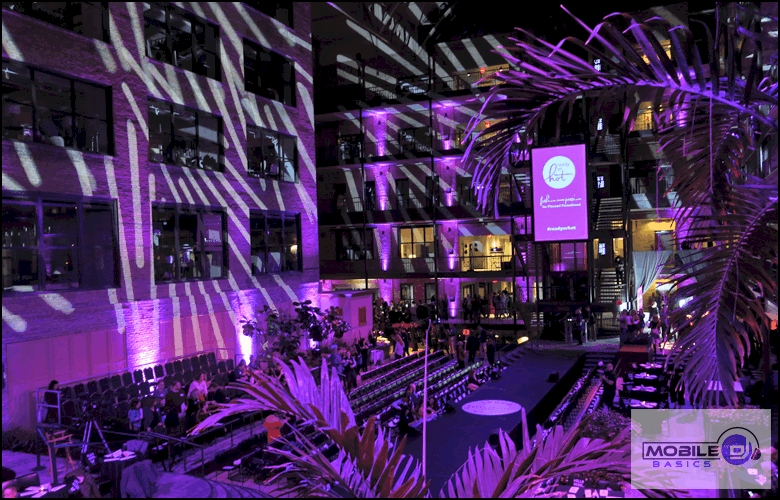
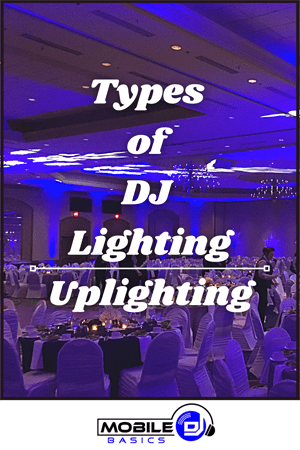
- Uplighting placed every 8-10 feet around a room’s perimeter creates professional ambient lighting coverage.
DJ Lighting Essentials
Every professional DJ lighting setup starts with three core components that work together to create dynamic visual effects. These components form the foundation for any lighting system, whether you’re DJing house parties or large corporate events.
The basic components include light fixtures, a DMX controller, and proper cables to connect everything. Understanding how these pieces work together helps you build a system that grows with your DJ business and delivers consistent results at every gig.
Light Fixtures
LED par lights serve as the backbone of most mobile DJ lighting setups because they’re affordable, lightweight, and energy-efficient. These fixtures wash walls and dance floors with color while generating minimal heat compared to traditional halogen lights.
Moving head lights add dynamic movement and focused beams that create dramatic effects across the room. While more expensive than static lights, moving heads give you professional-level control over beam direction, color mixing, and pattern projection.
- LED Par Cans – wash entire areas with color and cost $50-150 each for quality units.
- Moving Heads – create focused beams and patterns, ranging from $200-800 per fixture.
- Effect Lights – add texture with gobos, strobes, and laser effects starting around $100.
- Uplights – provide ambient room lighting and typically cost $75-200 per light.
DMX Controllers
DMX controllers let you program lighting scenes and trigger effects in sync with your music instead of manually adjusting each light. Modern controllers store dozens of preset scenes and allow real-time adjustments during your performance.
Software-based controllers that run on laptops offer more programming options and visual feedback than hardware units. Many DJs prefer dedicated hardware controllers for their reliability and hands-on feel during live performances.
Building Your Lighting Setup
Start with four to six LED par lights and a basic DMX controller to cover small to medium venues effectively. This foundation setup costs $400-600 and provides enough coverage for rooms holding 50-150 people.
Position lights on stands or trusses at different heights to create depth and avoid flat, even lighting across the room. The goal is to create zones of light and shadow that add visual interest and highlight the dance floor area.
Lighting Placement Strategy
Place your main wash lights 8-12 feet high and angle them down at 30-45 degrees to avoid blinding guests while providing good coverage. Position uplights around the room’s perimeter to create ambient lighting that transforms the venue’s atmosphere.
Moving heads work best when positioned behind your DJ setup or on side trusses where they can sweep across the entire room. Avoid placing bright moving lights directly in front of the dance floor where they might interfere with photography or guest comfort.
- Map your venue. Walk the space and identify power outlets, ceiling height, and any restrictions before setup.
- Start with uplights. Place these first around the perimeter to establish your base lighting layer.
- Position wash lights. Set up your main color wash lights to cover the dance floor and key areas.
- Add effect lights. Install moving heads and special effects last to avoid repositioning other fixtures.
Power Management Tip
Calculate your total power draw before plugging in lights – most household circuits handle 15-20 amps maximum. Distribute your lighting across multiple circuits to avoid tripping breakers during your event.
Lighting Control and Programming
Modern lighting control gives DJs the ability to create complex light shows that respond to music in real-time. Programming your lighting scenes ahead of time lets you focus on mixing music while your lights automatically enhance the energy of each song.
Sound-activated modes work well for spontaneous events, but pre-programmed scenes give you precise control over the visual atmosphere. Most professional DJs use a combination of both approaches depending on the venue and event type.
DMX Programming Basics
DMX channels control individual parameters like color, brightness, and movement for each light fixture. A single moving head might use 10-15 DMX channels while a simple LED par light only needs 3-4 channels for red, green, blue, and master brightness.
Group similar fixtures together on your controller to change multiple lights simultaneously with single fader movements. This approach makes live lighting control much easier during performance while maintaining professional-looking effects.
Sync with Music
Beat-synced lighting creates the most professional visual experience by matching light changes to the rhythm of your music. Many controllers offer automatic BPM detection that adjusts effect speeds to match whatever song you’re playing.
Manual triggering gives you more creative control but requires practice to execute smoothly during live performance. Start with simple color changes on the beat and gradually add more complex effects as your timing improves.
Essential Lighting Effects
Different lighting effects serve specific purposes in creating atmosphere and energy throughout your event. Understanding when and how to use each effect type helps you build dynamic light shows that support your musical programming.
Layer multiple effects together gradually rather than hitting guests with everything at once. A disco ball combined with colored wash lighting creates classic dance floor ambiance, while adding moving beams and strobes builds excitement for peak moments.
- Wash Lighting – provides base color that sets the room’s mood and energy level.
- Beam Effects – create focused light shafts that cut through haze for dramatic impact.
- Strobe Effects – add excitement during build-ups and drops in energetic music.
- Gobo Patterns – project shapes and textures onto walls and floors for visual interest.
- Color Mixing – smoothly transitions between colors to match different music styles and moods.
Maintenance and Transport
Proper care extends the life of your lighting equipment and prevents failures during important gigs. LED lights require minimal maintenance compared to traditional fixtures, but regular cleaning and inspection keep them performing at their best.
Invest in quality cases and cable management systems to protect your investment during transport. Professional mobile DJs often travel hundreds of miles per month, making durable packaging essential for equipment longevity.
Regular Maintenance Tasks
Clean lens surfaces monthly with microfiber cloths to maintain maximum light output and color accuracy. Dust buildup reduces brightness and can cause overheating in some fixtures, especially during outdoor events or dusty venues.
Test all DMX connections and cables before each gig to avoid technical difficulties during setup. Keep spare cables and adapters in your kit since lighting cables take more abuse than audio cables during frequent setup and teardown.
Frequently Asked Questions
How many lights do I need for a 100-person event?
Six to eight LED par lights plus 2-3 moving heads provide good coverage for most 100-person venues. Add uplights around the perimeter if the venue has plain walls that need color treatment.
What’s the difference between DMX and sound-activated lighting?
DMX gives you precise control over every light parameter while sound-activated modes make lights respond automatically to music volume and beat. DMX requires more setup but delivers professional results, while sound-activated is simpler for beginners.
Do I need haze machines for my lighting effects?
Haze enhances beam effects and makes moving lights more visible, but it’s not essential for basic wash lighting. Many venues don’t allow haze, so plan lighting effects that work both with and without atmospheric effects.
How much power do DJ lights typically use?
LED par lights use 30-50 watts each while moving heads consume 150-300 watts depending on features. A typical 8-light setup draws 8-12 amps total, well within most venue power limitations.
Final Thoughts
DJ lighting transforms any venue into an exciting entertainment space that keeps guests engaged throughout your event. Start with basic LED par lights and a simple controller, then expand your setup as your business grows and you take on larger venues.
Focus on learning proper placement and programming techniques rather than buying the most expensive equipment initially. Great lighting comes from understanding how to use your tools effectively, and even basic fixtures can create professional results with proper technique and creativity.
Subscribe to Our Newsletter
From discovering new songs to getting more gigs, I’m excited to share the wealth of knowledge I’ve gained through many years of DJing. [email protected]