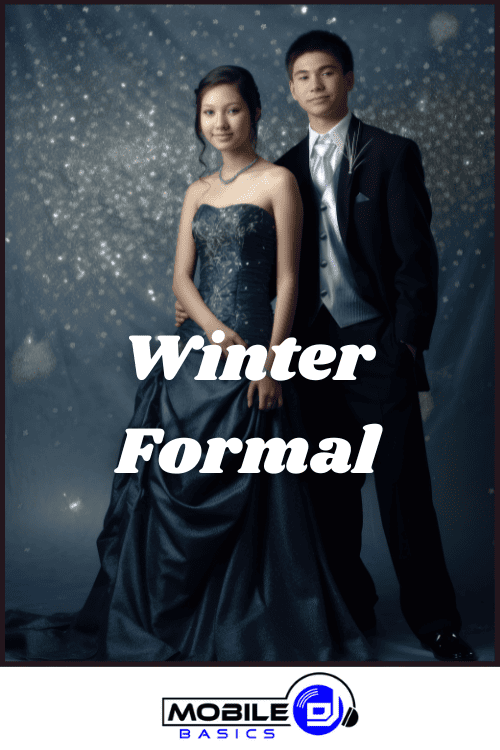
Winter Formal events bring elegance and sophistication to the cold season, offering students a chance to dress up and celebrate together during the winter months. These semi-formal dances typically happen between December and February, creating a perfect mid-year social highlight for high school students.
Unlike casual school dances, winter formals require more planning attention to details like venue decoration, dress codes, and creating the right atmosphere. The key is balancing formal elegance with the fun, relaxed energy that makes school events memorable for everyone involved.
TL;DR
- Winter formal dress codes typically require semi-formal attire – suits or dress pants with collared shirts for guys, cocktail dresses or dressy separates for girls.
- Popular themes include Winter Wonderland, Enchanted Forest, Starry Night, and Masquerade Ball – each creating distinct decoration opportunities.
- Venue decoration costs average $300-800 for most school gyms, including lighting, backdrops, and table centerpieces.
- Ticket prices usually range from $15-40 per person, depending on venue costs, catering, and entertainment expenses.
Winter Formal Planning Essentials
Planning a successful winter formal starts with setting your date and securing your venue 6-8 weeks ahead of time. Popular dates fill up quickly, especially venues that offer package deals for decorations and catering.
Your planning committee should focus on five main areas: theme selection, venue decoration, music and entertainment, food and beverages, and ticket sales. Each area needs dedicated volunteers and a clear budget allocation to avoid overspending.
Theme Selection and Decoration Ideas
Choose themes that work well with winter elements and formal attire requirements. Winter Wonderland themes remain consistently popular because they naturally complement the season and create stunning photo opportunities.
- Winter Wonderland – White and silver decorations with snowflake motifs and twinkling lights
- Starry Night – Dark blue backdrop with gold star accents and constellation lighting
- Enchanted Forest – Rustic elegance with greenery, fairy lights, and natural textures
- Hollywood Glamour – Red carpet entrance with gold and black sophisticated decorations
- Masquerade Ball – Elegant masks as party favors with rich purple and gold color schemes
Venue Setup and Decoration Strategy
Transform your space using strategic lighting and focal point decorations rather than trying to cover every surface. Focus your budget on the entrance area, dance floor perimeter, and photo backdrop location.
Rent professional lighting equipment or work with your school dance DJ to provide uplighting that matches your color scheme. Colored lighting creates instant atmosphere and makes even basic decorations look more sophisticated.
Essential Decoration Elements
- Entrance Archway – Creates an impressive first impression and natural photo spot
- Table Centerpieces – Simple arrangements that match your theme without blocking conversation
- Backdrop Wall – Professional-looking photo area using fabric, balloons, or themed props
- Ceiling Treatment – Fabric draping or hanging decorations to soften harsh gymnasium lighting
- Perimeter Lighting – Uplights or string lights around the room edges
Budget-Saving Decoration Tip
Rent or borrow decorations from local party supply companies instead of buying everything new. Many companies offer school discounts and package deals for complete theme setups.
Music and Entertainment Planning
Book your DJ or band at least 4-6 weeks before your event date to ensure availability. Professional entertainers familiar with school events understand appropriate song selection and crowd management techniques.
Create a balanced playlist that includes current hits, classic dance songs, and slower romantic tracks for couples. Plan for roughly 60% upbeat dancing music, 25% current popular songs, and 15% slower songs throughout the evening.
Entertainment Schedule Framework
- Grand March (Optional) – Formal entrance where couples walk through for photos
- Welcome and Announcements – Brief opening remarks and event overview
- Dancing Blocks – 45-minute music sets with 10-minute breaks for photos and socializing
- Special Dances – Slow songs, group dances, and any traditional school songs
- Final Dance – Traditional last song to close the evening
Dress Code and Student Guidelines
Establish clear dress code expectations that balance formal requirements with comfort and inclusivity. Post guidelines on school websites and social media at least 3 weeks before the event.
Consider different budget levels when setting dress requirements – not every student can afford formal wear. Provide alternatives like dress rental programs or relaxed guidelines that allow dressy casual options.
Typical Winter Formal Dress Code
- For Students (Feminine) – Cocktail dresses, dressy skirts with blouses, or dressy pantsuits
- For Students (Masculine) – Dress shirts with ties, slacks or khakis, dress shoes – jackets optional
- General Guidelines – No jeans, sneakers, or overly casual clothing
- Length Requirements – Follow regular school dress code policies for appropriate coverage
Budget Planning and Ticket Pricing
Calculate your total expenses first, then set ticket prices that cover costs while remaining affordable for students. Most successful winter formals break even or generate small profits for student activity funds.
Track expenses in categories: venue rental, decorations, entertainment, food/beverages, and miscellaneous supplies. This breakdown helps you see where money goes and plan better for future events.
Typical Budget Breakdown
- Entertainment (DJ/Band) – 30-40% of total budget
- Decorations – 20-25% of total budget
- Food and Beverages – 20-30% of total budget
- Venue Costs – 10-15% of total budget
- Miscellaneous – 5-10% for unexpected expenses
Frequently Asked Questions
What should I wear to a winter formal?
Winter formal typically requires semi-formal attire – cocktail dresses or dressy separates for girls, dress shirts with ties and dress pants for guys. Check your school’s specific dress code guidelines before shopping.
How much do winter formal tickets usually cost?
Most winter formal tickets range from $15-40 per person, depending on venue, catering, and entertainment costs. Schools often offer early bird discounts or payment plans to make tickets more affordable.
Do you need a date for winter formal?
No, you don’t need a date for winter formal. Many students attend with friend groups or solo and have a great time dancing and socializing with classmates.
How long do winter formal dances typically last?
Most winter formals run for 3-4 hours, typically from 7:00 PM to 10:00 or 11:00 PM on weekend evenings. This gives enough time for photos, dancing, and socializing without running too late.
Final Thoughts
Winter Formal events create lasting memories when planned thoughtfully with attention to student needs and preferences. Focus on creating an elegant atmosphere that feels special while staying within budget and maintaining broad appeal.
Start planning early, delegate responsibilities to reliable committee members, and remember that successful events prioritize student enjoyment over elaborate details. The goal is bringing your school community together for a memorable winter celebration.


Subscribe to Our Newsletter

From discovering new songs to getting more gigs, I’m excited to share the wealth of knowledge I’ve gained through many years of DJing. [email protected]