Best DJ Lighting Setup configurations can transform any event from ordinary to extraordinary. The right combination of lights creates atmosphere, enhances your music, and keeps the dance floor packed all night long.
Whether you’re setting up for a wedding reception, club night, or private party, your lighting design directly impacts how guests experience your performance. A well-planned setup doesn’t require a massive budget – just smart choices about which lights to use and where to place them.
TL;DR
- Start with 4-6 LED par cans for wash lighting – they provide 80% of your visual impact for under $400.
- Add 2 moving head lights positioned 8-10 feet apart for dynamic beam effects and crowd scanning.
- Include a fog machine with water-based fluid to make light beams visible and create atmosphere.
- Use DMX lighting controllers to synchronize all fixtures and create professional-looking automated shows.
Best DJ Lighting Setup Essentials
Your foundation starts with LED par cans for wash lighting. These fixtures flood the dance floor and walls with color, creating the base layer that makes everything else pop.
Position four to six par cans around your performance area – two behind you, two to your sides, and two facing the dance floor. This arrangement provides complete coverage without creating dark spots where guests disappear into shadows.
Moving Head Lights
Moving heads add the dynamic element that separates professional setups from basic ones. These fixtures pan, tilt, and change colors automatically, creating the sweeping beam effects that get crowds excited.
Two moving head spots work better than four cheap ones. Quality matters more than quantity with these fixtures, since cheap moving heads break down frequently and move too slowly to create impressive effects.
Atmospheric Effects
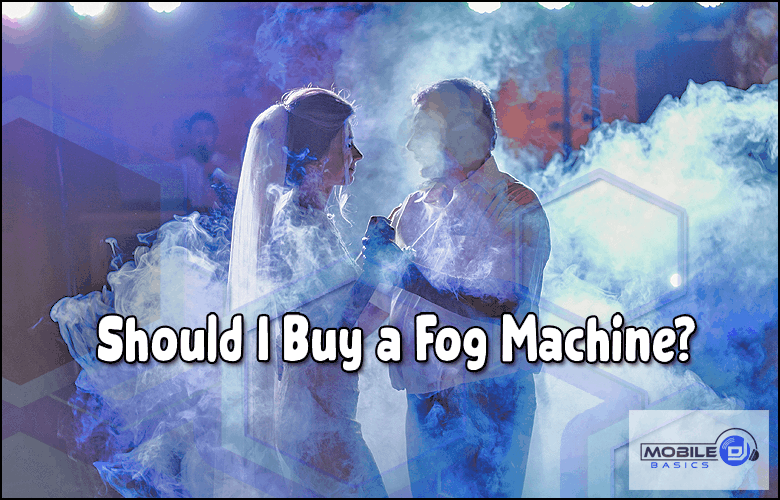
Fog machines make your light beams visible and add professional atmosphere to any venue. Without fog or haze, your moving head beams disappear into thin air and lose their impact.
Water-based fog fluid works best for indoor events since it doesn’t trigger smoke detectors or leave residue on surfaces. Run your fog machine on timer intervals rather than continuously to maintain the right amount of haze.
Equipment Placement Strategy
Height determines everything in lighting design. Mount your fixtures 8-12 feet high whenever possible to clear guests’ heads and create proper beam angles.
T-bar stands work for smaller venues, but consider truss systems for larger events. Truss looks more professional and handles heavier fixtures without wobbling during transport.
- Upstage Lighting – Position par cans behind your DJ booth to create silhouette effects and add depth.
- Side Wash – Place fixtures at 45-degree angles to eliminate harsh shadows on dancers’ faces.
- Front Fill – Add subtle lighting facing the crowd to keep the energy visible and maintain connection.
- Accent Spots – Use moving heads to highlight special moments like cake cutting or first dances.
Power and Control
DMX controllers give you professional control over your entire lighting rig. Basic controllers start around $150 and handle 8-12 fixtures with preset programs and manual overrides.
Run dedicated power lines for your lighting to avoid circuit overloads. Most venues have separate circuits for different areas – use them to distribute your electrical load safely.
Budget-Friendly Starting Points
New DJs can build effective setups without breaking the bank. Start with four LED par cans and add fixtures as your bookings increase.
Used lighting equipment holds value well and often comes with cases and accessories. Check local music stores and online marketplaces for deals on quality fixtures from established brands.
- Basic Package. Four LED par cans, simple controller, and basic stands – budget around $600-800 total.
- Intermediate Setup. Add two moving heads and a fog machine – total investment grows to $1,200-1,500.
- Professional Rig. Include truss system, backup fixtures, and advanced controller – budget $2,500-3,500 for complete setup.
Start Small and Expand
Buy quality fixtures one at a time rather than cheap complete packages. Four excellent par cans create better results than eight mediocre ones.
Advanced Lighting Features
Sound-activated modes make your lights respond to music automatically. Most modern LED fixtures include built-in programs that sync with bass frequencies and rhythm patterns.
Strobe effects work best when used sparingly during peak moments. Constant strobing gives guests headaches and empties dance floors quickly.
Safety and Setup Considerations
Secure all cables with tape and cable covers to prevent tripping hazards. Gaffer tape works better than duct tape since it removes cleanly without leaving residue.
Check weight limits on your stands and truss before adding fixtures. Overloaded stands tip over easily and damage both equipment and venues.
- Circuit Testing – Test electrical loads before guests arrive to avoid mid-event shutdowns.
- Backup Plans – Carry spare bulbs, fuses, and basic repair tools for quick fixes.
- Weather Protection – Use outdoor-rated fixtures and covers for external events and beach parties.
Professional DJ lighting recommendations help you choose reliable fixtures that perform consistently. Weather conditions, venue restrictions, and audience size all influence which lights work best for specific events.
Integration with DJ Equipment
Modern DJ software includes lighting control features that sync your lights with song changes and beat patterns. Programs like Virtual DJ and Serato DJ integrate with popular lighting controllers for seamless operation.
MIDI mapping lets you trigger specific lighting scenes from your DJ controller. Set up hot cues to activate strobe effects, color changes, and blackout moments that match your music perfectly.
Frequently Asked Questions
How many lights do I need for a 100-person wedding reception?
Six to eight lights provide adequate coverage for 100 guests – four LED par cans for wash lighting plus two moving heads for dynamic effects. Add uplighting around the room perimeter if the venue allows wall mounting.
Can I use regular fog machines indoors without setting off smoke detectors?
Water-based fog fluid typically won’t trigger modern smoke detectors, but oil-based fluids can cause false alarms. Always check with venue management and use water-based fluid for indoor events.
What’s the difference between LED par cans and traditional halogen fixtures?
LED fixtures consume less power, generate less heat, and offer color mixing without gel filters. They cost more upfront but save money on electricity and replacement bulbs over time.
Do I need a lighting controller or can I run lights manually?
Controllers provide professional results and free you up to focus on DJing instead of adjusting lights manually. Basic DMX controllers start around $150 and handle most small to medium setups effectively.
Final Thoughts
Best DJ Lighting Setup success comes from planning your configuration before each event and investing in quality fixtures that perform reliably. Start with wash lighting, add moving effects gradually, and always prioritize safety over flashy effects.
Your lighting creates the visual foundation that makes guests want to dance and stay engaged throughout your performance. Focus on consistent coverage and smooth operation rather than trying to use every feature available.
Subscribe to Our Newsletter

From discovering new songs to getting more gigs, I’m excited to share the wealth of knowledge I’ve gained through many years of DJing. [email protected]