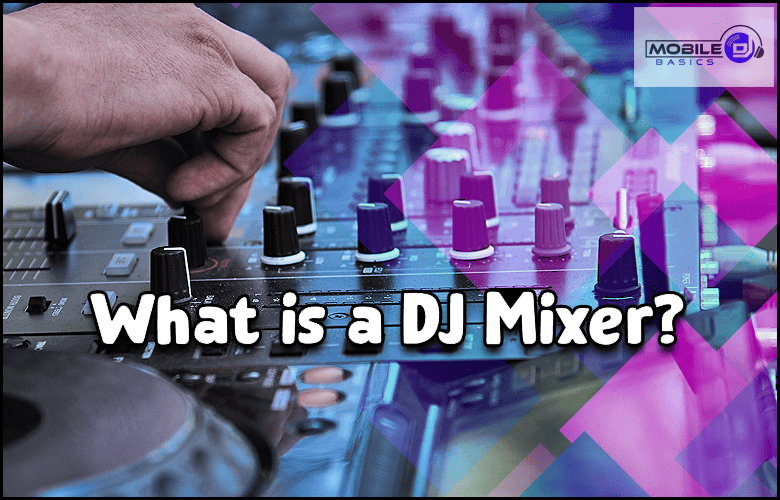
What Is A DJ Mixer? A DJ mixer is the central hub that allows DJs to blend multiple audio sources, control sound levels, and create seamless transitions between songs. This essential piece of equipment serves as the command center for any professional DJ setup, whether you’re performing at weddings, clubs, or private events.
Every DJ mixer provides the fundamental tools needed to craft a smooth musical experience for your audience. Understanding how these devices work and what features to look for will help you choose the right mixer for your specific needs and skill level.
TL;DR
- DJ mixers typically feature 2-4 channels, allowing you to connect and blend multiple audio sources simultaneously.
- A 3-band EQ (high, mid, low) on each channel gives you precise frequency control for professional-sounding mixes.
- Built-in effects like reverb, delay, and filters can transform basic tracks into dynamic performances.
- Professional DJ mixers range from $200 for entry-level units to $2000+ for club-standard equipment.
What Is A DJ Mixer
A DJ mixer is an audio mixing console designed specifically for live performance and music blending. Unlike standard audio mixers used in recording studios, DJ mixers include specialized features like crossfaders, cue systems, and beat-matching tools that help DJs create smooth transitions between songs.
The mixer acts as the bridge between your music sources (turntables, CD players, or controllers) and your sound system. It allows you to preview upcoming tracks through headphones while the current song plays through the main speakers, ensuring your audience never experiences awkward silence or jarring transitions.
Essential DJ Mixer Components
Every DJ mixer contains several key components that work together to give you complete control over your sound. Understanding these elements will help you make better mixing decisions and choose equipment that matches your performance style.
Channel Strips
Each channel strip controls one audio source and includes several critical controls. Most DJ mixers feature 2-4 channels, though professional club mixers may offer more options for complex setups.
- Gain knob – adjusts the input level to match different audio sources and prevent distortion.
- 3-band EQ – separate controls for high, mid, and low frequencies on each channel.
- Channel fader – controls the volume level of each individual channel.
- Cue button – allows you to preview that channel through your headphones.
Crossfader
The crossfader is the horizontal slider that blends between channels, typically A and B. Moving the crossfader left sends channel A to the main output while cutting channel B, and moving it right does the opposite.
This component is essential for creating smooth transitions and performing advanced techniques like scratching. Many modern mixers allow you to assign different channels to either side of the crossfader for maximum flexibility.
Master Section
The master section controls your overall output and monitoring. This area typically includes the main volume control, headphone volume, and cue mix knob that balances between the main output and cued channels in your headphones.
Professional mixers often include additional master controls like booth outputs for stage monitors and recording outputs for capturing your performance. These features become increasingly important as your DJ career progresses.
DJ Mixer vs Audio Mixer Differences
While both devices mix audio signals, audio mixer vs dj mixer functionality differs significantly in design and purpose. DJ mixers prioritize real-time performance features that standard audio mixers don’t include.
Standard audio mixers focus on recording and live sound reinforcement, offering more input channels but fewer performance-oriented features. DJ mixers sacrifice channel count for specialized tools like crossfaders, dedicated cue systems, and built-in effects that enhance live mixing.
Performance Features
DJ mixers include several features specifically designed for live performance that you won’t find on standard audio mixers. These tools help you maintain energy on the dance floor and create professional-sounding sets.
- BPM counters – automatically detect and display the tempo of each track for easier beat-matching.
- Loop rolls – create temporary rhythm loops without affecting the main track playback.
- Filter sweeps – gradually remove or emphasize frequency ranges for dramatic effect changes.
- Hot cue points – instantly jump to pre-marked sections of your tracks during performance.
Types of DJ Mixers
Different DJ mixer styles serve various performance needs and skill levels. Choosing the right type depends on your intended use, budget, and the complexity of features you need for your events.
Battle Mixers
Battle mixers prioritize scratching and turntablism with ultra-responsive crossfaders and minimal latency. These mixers typically feature 2 channels and focus on durability and precision rather than built-in effects.
The crossfader curve adjustment allows you to customize the fade characteristics for your scratching style. Most battle mixers also include replaceable crossfaders since this component experiences heavy use during scratch sessions.
Club Mixers
Club mixers offer 4 or more channels with advanced features like built-in effects, multiple microphone inputs, and comprehensive monitoring options. These mixers handle the demands of long DJ sets and multiple performers throughout the night.
Professional club mixers often include features like kill switches that completely cut specific frequency ranges, and advanced cue systems that allow complex preview routing. The build quality emphasizes reliability since club mixers operate for hours daily in demanding environments.
Start Simple
New DJs should focus on mastering basic mixing techniques before investing in feature-heavy mixers. A quality 2-channel mixer with solid EQ and a smooth crossfader provides everything you need to develop fundamental skills.
All-in-One Units
All-in-one DJ systems combine mixers with built-in media players, eliminating the need for separate turntables or CD players. These units appeal to mobile DJs who value portability and simplified setup procedures.
Many all-in-one units include features like automatic BPM sync, pre-loaded effects, and even wireless music streaming capabilities. While they offer convenience, dedicated component systems typically provide better upgrade flexibility as your skills develop.
Choosing Your First DJ Mixer
Your first mixer choice impacts your learning experience and sets the foundation for your DJ development. Focus on essential features rather than flashy effects that you may not use regularly during your early performances.
Consider where and how you plan to perform when selecting mixer features. Mobile DJs need different capabilities than bedroom DJs practicing at home, so match your equipment to your intended use case.
Essential Features for Beginners
New DJs benefit most from mixers that emphasize core functionality over advanced features. These essential features help you build solid mixing fundamentals without overwhelming complexity.
- Quality EQ controls. Each channel needs responsive high, mid, and low frequency adjustment for effective mixing.
- Smooth crossfader. The crossfader should move without resistance and provide even volume curves across its range.
- Clear headphone cue. You must be able to preview tracks clearly while the main output continues playing.
- Reliable build quality. Controls should feel solid and respond consistently during extended practice sessions.
Advanced DJ Mixer Features
As your skills develop, advanced mixer features become more valuable for creating unique performances and handling complex events. These features separate professional-grade mixers from entry-level units.
Professional mixers often integrate with DJ software, allowing you to control digital features directly from the mixer hardware. This integration creates a seamless workflow between your physical controls and digital music library.
Built-in Effects
Modern DJ mixers include various built-in effects that add creativity to your performances without requiring additional hardware. Common effects include reverb, delay, filters, and flangers that you can apply to individual channels or the master output.
Effect controls typically include wet/dry knobs that blend the processed signal with the original audio, and parameter controls that adjust effect intensity or timing. Some mixers allow you to sync effect timing to the track’s BPM for rhythmically accurate results.
Digital Connectivity
Professional mixers often include USB connections for direct computer integration, allowing you to use the mixer as an audio interface for DJ software. This eliminates the need for separate audio interfaces while maintaining low-latency monitoring.
Some mixers feature built-in sound cards with multiple output pairs, enabling complex routing for recording, streaming, or booth monitors. These digital features become essential for professional installations and advanced mobile setups.
Articles You May Like
Frequently Asked Questions
Do I need a separate mixer if I have a DJ controller?
Most DJ controllers include built-in mixer sections, so you typically don’t need a separate mixer. However, some DJs prefer dedicated mixers for better build quality and more precise control feel.
What’s the difference between a 2-channel and 4-channel mixer?
A 2-channel mixer allows you to blend between two audio sources, while a 4-channel mixer can handle four sources simultaneously. More channels provide greater flexibility but increase complexity and cost.
Can I use a DJ mixer for recording music?
DJ mixers can record live performances, but they’re optimized for live mixing rather than studio recording. Standard audio mixers typically provide better recording features like individual channel recording and detailed monitoring options.
How much should I spend on my first DJ mixer?
Quality beginner mixers range from $200-500, offering essential features without overwhelming complexity. Avoid extremely cheap mixers that may break quickly or provide poor sound quality that hampers your learning.
Final Thoughts
What Is A DJ Mixer becomes clearer when you understand that it’s the creative control center for any DJ performance. The right mixer gives you the tools to blend tracks seamlessly, control your sound precisely, and express your musical vision effectively.
Start with a mixer that covers the fundamentals well, then upgrade to more advanced features as your skills and performance needs grow. Quality basic mixing abilities will serve you better than fancy features you’re not ready to use.
Subscribe to Our Newsletter
From discovering new songs to getting more gigs, I’m excited to share the wealth of knowledge I’ve gained through many years of DJing. [email protected]