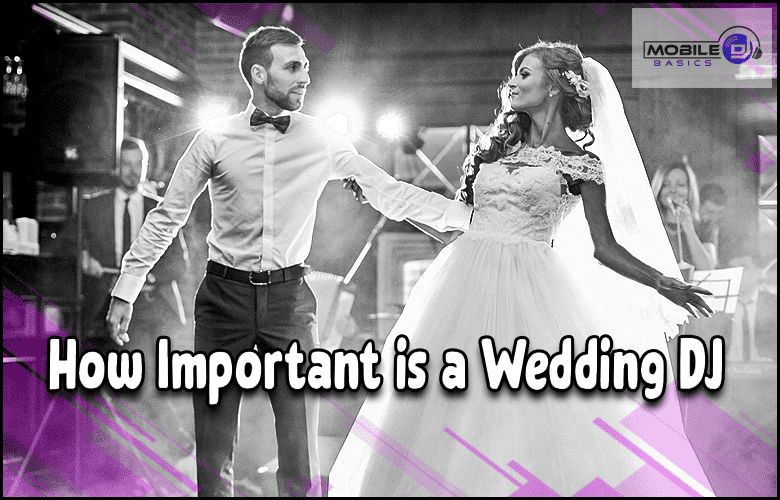
How Important Is A DJ At A Wedding becomes clear when you consider that music sets the emotional tone for your entire celebration. A skilled DJ doesn’t just play songs – they read the room, manage the timeline, and create seamless transitions between ceremony, cocktails, dinner, and dancing.
Beyond music, your DJ serves as the master of ceremonies, coordinating with vendors and ensuring your reception flows smoothly. They handle announcements, manage lighting, and keep your guests engaged throughout the evening.
TL;DR
- Professional DJs manage 6-8 hours of continuous entertainment while coordinating with photographers, caterers, and venue staff.
- Experienced wedding DJs carry backup equipment worth $15,000-25,000 to prevent technical failures during your celebration.
- A skilled DJ reads crowd energy and adjusts music selection in real-time, keeping 85-90% of guests on the dance floor during peak hours.
- Wedding DJs handle 15-20 key announcements throughout the reception, from grand entrance to last dance, maintaining perfect timing.
How Important Is A DJ At A Wedding
Your wedding DJ controls the atmosphere of your entire reception. They create the soundtrack that turns your celebration from a simple dinner into an unforgettable party that guests will remember for years.
Professional wedding DJs bring technical expertise that goes far beyond pressing play on a playlist. They understand sound engineering, room acoustics, and how to balance volume levels for different parts of your venue during various reception phases.
Master of Ceremonies Role
Your DJ serves as the evening’s host, making announcements and guiding guests through each reception milestone. They coordinate timing with your photographer for first dance moments and special events throughout the night.
Professional DJs work with your wedding coordinator to maintain the reception timeline. They announce dinner service, cake cutting, bouquet toss, and other traditional moments while keeping energy levels appropriate for each segment.
Music Curation and Crowd Reading
Experienced DJs build playlists that span multiple generations and musical tastes. They blend your favorite songs with crowd-pleasers that get multiple age groups dancing together on the same floor.
Reading the room is a skill that separates professional DJs from amateur playlist operators. They watch guest reactions, adjust tempo and genre selection, and know when to switch from dinner jazz to dance hits without losing momentum.
Song Request Management
Your DJ filters and manages guest song requests throughout the evening. They balance personal requests with your pre-approved playlist while avoiding inappropriate songs or mood-killing track selections that could clear the dance floor.
Professional DJs know how to handle song requests diplomatically, keeping guests happy while maintaining the musical flow you envisioned for your celebration.
Technical Equipment and Backup Systems
Wedding DJs invest in professional-grade sound systems designed for different venue sizes and acoustic challenges. They bring wireless microphones for ceremonies, speeches, and toasts with backup units ready if primary equipment fails.
Backup equipment is essential for wedding DJs since technical failures can’t be rescheduled. Professional DJs carry duplicate controllers, speakers, microphones, and power supplies to ensure continuous music throughout your celebration.
Lighting and Atmosphere Enhancement
Many wedding DJs provide uplighting, dance floor lighting, and ambient lighting that transforms your venue’s appearance. Coordinated lighting changes with music transitions create a more immersive experience for your guests.
Professional lighting adds production value that makes your reception feel like a high-end event rather than a simple party with background music.
Book Early for Top DJs
The best wedding DJs book 12-18 months in advance for peak wedding season. Start your search early to secure experienced professionals who understand wedding flow and guest engagement.
Vendor Coordination and Timeline Management
Your DJ coordinates with photographers for special moment announcements and works with caterers to time music transitions around meal service. This coordination ensures smooth transitions between reception segments without awkward pauses or timing conflicts.
Experienced DJs communicate with venue staff about sound restrictions, setup requirements, and breakdown procedures. They handle technical logistics so you can focus on enjoying your celebration with family and friends.
Cost vs Value Considerations
Wedding DJs typically cost $800-2,500 depending on experience level, equipment package, and reception duration. This investment covers 8-12 hours of service including setup, performance, and breakdown time beyond your actual reception hours.
Comparing DJ costs to other wedding vendors, professional entertainment often delivers higher guest satisfaction impact than many higher-priced wedding elements like upgraded linens or elaborate centerpieces.
Alternatives to Professional DJs
Playlist-only approaches using streaming services and rental speakers can work for small, casual celebrations with tech-savvy family members managing the system. However, this option requires designated music managers who miss out on enjoying your celebration.
Live bands offer different energy but typically cost 2-3 times more than DJs and can’t provide the same musical variety or volume control flexibility throughout different reception phases.
DIY Music Considerations
Self-managed music systems require someone to monitor volume levels, handle announcements, and troubleshoot technical issues during your reception. This responsibility often falls to family members who end up working instead of celebrating.
Streaming service interruptions, device battery failures, or connectivity issues can create awkward silence during critical moments like your wedding playlist transitions without professional backup systems.
Frequently Asked Questions
Can we skip hiring a DJ and just use a playlist?
Yes, but you’ll need someone to manage volume levels, handle announcements, and troubleshoot technical issues. This person will miss out on enjoying your celebration while managing the music system.
How far in advance should we book a wedding DJ?
Book your DJ 12-18 months ahead for peak wedding season (May through October). The best DJs with strong reputations fill their calendars earliest.
What’s the difference between a wedding DJ and a club DJ?
Wedding DJs specialize in reading diverse crowds, managing reception timelines, and serving as master of ceremonies. Club DJs focus on continuous dance music for specific demographics.
Do we need to provide our DJ with a song list?
Provide a list of must-play songs and do-not-play songs, but trust your DJ to fill in with crowd-appropriate music. They understand how to build energy and keep different age groups engaged.
Should our DJ take requests from guests?
Yes, but experienced DJs filter requests to match your musical preferences and maintain appropriate energy levels. They balance guest requests with your pre-approved playlist and reception flow.
Final Thoughts
How Important Is A DJ At A Wedding becomes evident when you consider they manage entertainment, coordination, and technical logistics for 6-8 hours of continuous celebration. A skilled DJ creates seamless transitions between reception segments while reading crowd energy and adjusting music selection in real-time.
Professional DJs bring backup equipment, vendor coordination experience, and master of ceremonies skills that playlist-only approaches can’t match. Interview potential DJs early in your planning process to secure experienced professionals who understand wedding flow and guest engagement.
Subscribe to Our Newsletter

From discovering new songs to getting more gigs, I’m excited to share the wealth of knowledge I’ve gained through many years of DJing. [email protected]