Best Wired Microphone For DJs deliver reliable audio quality without the interference risks that come with wireless systems. Professional DJs need microphones that handle crowd noise, feedback control, and consistent performance throughout long events.
A quality wired microphone eliminates battery concerns and connection drops that can disrupt your performance. The right choice depends on your venue types, speaking style, and budget requirements.
TL;DR
- XLR connections provide better audio quality and less interference than 1/4-inch inputs for professional DJ use.
- Dynamic microphones handle high sound pressure levels better than condenser mics in loud club environments.
- A 20-foot cable length gives you movement flexibility without excess cable management issues.
- Cardioid pickup patterns reduce background noise and feedback by 60% compared to omnidirectional designs.
Best Wired Microphone For DJs
Professional wired microphones give you consistent audio quality without worrying about battery life or signal interference. Most club-grade mixing boards have XLR inputs specifically designed for wired microphone connections.
Dynamic microphones work better than condenser types in loud environments because they handle high sound pressure levels without distortion. The robust construction also stands up to regular transport and occasional drops.
Shure SM58
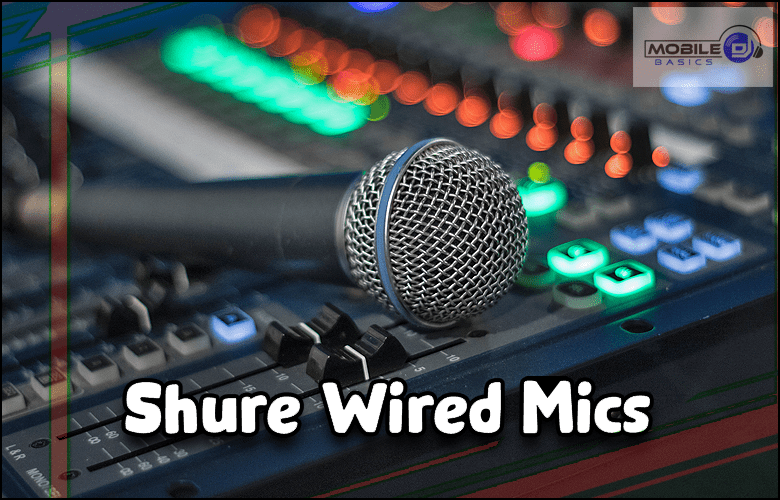
The Shure SM58 remains the industry standard for live vocal performance across all music genres. Its cardioid pickup pattern reduces feedback and background noise while delivering clear vocal reproduction.
The built-in shock mount system minimizes handling noise when you move around during announcements. A steel mesh grille protects the internal components from moisture and impact damage.
Audio-Technica ATR2100x-USB
This versatile microphone offers both XLR and USB outputs in one unit, making it perfect for DJs who also record podcasts or live sets. The side-address design provides comfortable handheld use during extended speaking sessions.
Built-in headphone monitoring lets you check your vocal levels without relying on stage monitors. The included pop filter attachment reduces plosive sounds during close-mic speaking.
Electro-Voice RE20
Originally designed for broadcast use, the RE20 delivers exceptional rejection of background noise and proximity effect control. Its large diaphragm captures natural vocal tone without requiring perfect microphone technique.
The Variable-D technology maintains consistent frequency response regardless of distance from the microphone. This feature helps during busy events when you can’t maintain perfect mic positioning.
Connection Types and Compatibility
XLR connections provide balanced audio signals that resist interference from lighting systems and other electrical equipment. Most professional DJ mixers include dedicated XLR inputs with phantom power capability.
Quarter-inch inputs work for basic setups but offer less noise rejection and lower signal quality. Check your mixer’s input options before purchasing to ensure compatibility with your chosen microphone.
- XLR balanced – Professional standard with superior noise rejection and signal quality.
- 1/4-inch unbalanced – Basic connection suitable for small venue setups and practice.
- Combo XLR/USB – Dual connectivity for live performance and recording applications.
Pickup Patterns for DJ Applications
Cardioid pickup patterns work best for DJ microphones because they capture sound primarily from the front while rejecting noise from behind. This design reduces feedback from nearby speakers and crowd noise.
Omnidirectional patterns pick up sound equally from all directions, making them unsuitable for high-volume environments. Hypercardioid patterns offer even more directional control but require more precise positioning.
Cable Management Tip
Use velcro cable ties instead of twist ties to secure microphone cables during transport. Velcro won’t damage the cable jacket and allows for quick adjustments during setup.
Microphone Placement and Technique
Hold the microphone 2-3 inches from your mouth for optimal pickup without proximity effect distortion. Speak directly into the grille rather than across it to maintain consistent audio levels.
Avoid covering the mesh grille with your hand, as this can cause muffled sound and increased handling noise. Practice proper microphone technique during setup to ensure clear announcements throughout your event.
Cable Length and Quality Considerations
Twenty-foot cables provide enough length for stage movement without creating trip hazards or cable management problems. Longer cables can introduce signal loss and increased susceptibility to interference.
Look for cables with oxygen-free copper conductors and quality connectors that resist corrosion. Neutrik and Amphenol connectors offer reliable connections that withstand regular plugging and unplugging.
- Test connections. Check all cable connections before each event to prevent audio dropouts during performance.
- Secure cables. Route microphone cables away from power cords and lighting equipment to minimize interference.
- Carry backups. Pack spare cables and adapters in case of connection failures or compatibility issues.
Budget Options vs Professional Models
Entry-level wired microphones under $50 work for small parties and practice sessions but may lack the durability needed for regular mobile DJ work. Professional models cost more initially but provide better sound quality and longer service life.
Consider your event frequency and venue types when choosing between budget and professional options. Regular club DJs benefit from investing in higher-quality microphones that handle demanding environments.
- Budget range ($25-75) – Basic dynamic microphones suitable for occasional use and small venues.
- Mid-range ($75-200) – Professional-grade microphones with improved durability and sound quality.
- Professional ($200+) – Broadcast-quality microphones designed for demanding commercial applications.
Maintenance and Storage
Clean microphone grilles regularly with a soft brush to remove dust and debris that can affect sound quality. Store microphones in protective cases or clips to prevent damage during transport.
Inspect cables for damage before each use, paying attention to connector joints where stress fractures commonly occur. Replace damaged cables immediately to prevent performance interruptions.
Frequently Asked Questions
Do I need phantom power for wired DJ microphones?
Dynamic microphones don’t require phantom power, but condenser microphones do. Most DJ applications use dynamic microphones that work with any standard mixer input.
What’s the difference between XLR and quarter-inch microphone inputs?
XLR connections provide balanced signals with better noise rejection and audio quality. Quarter-inch inputs are unbalanced and more susceptible to interference from electrical equipment.
How long should my microphone cable be?
Twenty feet provides good mobility without signal loss or cable management issues. Longer cables can introduce noise and voltage drop in the audio signal.
Can I use a vocal microphone for DJ announcements?
Yes, vocal microphones work well for DJ use since they’re designed for live performance environments. Look for models with good feedback rejection and handling noise control.
Final Thoughts
Best Wired Microphone For DJs provide reliable performance without the complications of wireless systems. Professional models like the Shure SM58 offer proven durability and sound quality for demanding mobile DJ applications.
Choose based on your venue types and budget, but prioritize XLR connectivity and cardioid pickup patterns for optimal results. A quality wired microphone becomes an essential tool that enhances your professional presentation at every event.



Subscribe to Our Newsletter

From discovering new songs to getting more gigs, I’m excited to share the wealth of knowledge I’ve gained through many years of DJing. [email protected]