
Ultimate Guide To Storing Vinyl Records properly protects your collection from damage while keeping your albums accessible for years of listening pleasure. Whether you’re a new collector or managing thousands of records, proper storage prevents warping, scratches, and deterioration that can destroy both sound quality and value.
Many record collectors learn storage techniques the hard way after discovering damaged albums in their collection. Smart storage methods cost little upfront but save hundreds or thousands of dollars in replacement costs over time.
TL;DR
- Store records vertically at temperatures between 65-70°F with 45-50% humidity to prevent warping and mold growth.
- Use anti-static inner sleeves and protective outer sleeves to reduce dust accumulation by up to 90%.
- Keep records away from direct sunlight and heat sources – temperatures above 80°F can cause permanent warping in just 30 minutes.
- Organize alphabetically or by genre using dividers to reduce handling time and prevent accidental drops during searches.
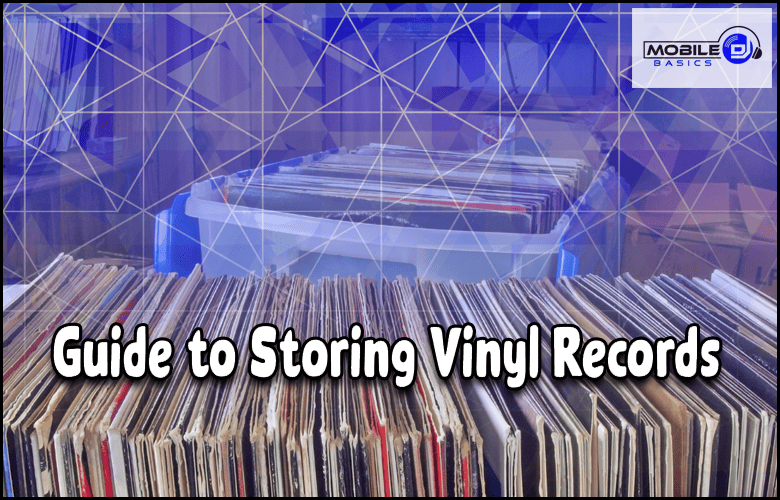
Ultimate Guide To Storing Vinyl Records
Proper vinyl storage starts with understanding what damages records and how to prevent it. Heat, humidity, dust, and improper handling cause most collection damage, but simple storage solutions address all these threats effectively.
Professional record storage follows three core principles: climate control, protective barriers, and organized access. These principles work together to maintain both the physical condition and sound quality of your albums.
Temperature and Humidity Control
Vinyl records are sensitive to temperature fluctuations and moisture levels. Ideal storage conditions maintain temperatures between 65-70°F with humidity levels of 45-50%.
Temperature extremes cause the most dramatic damage to vinyl collections. High temperatures make records soft and prone to warping, while extreme cold makes them brittle and likely to crack.
Safe Storage Locations
- Climate-controlled rooms – Interior rooms away from exterior walls maintain stable temperatures.
- Finished basements – Often naturally cooler but require dehumidifiers in humid climates.
- Interior closets – Protected from temperature swings but need adequate ventilation.
Locations to Avoid
- Attics and garages – Experience extreme temperature variations that warp records quickly.
- Near heating vents – Direct heat sources create hot spots that damage nearby albums.
- Basement storage – Unfinished basements often have moisture problems leading to mold growth.
Protective Sleeves and Storage Materials
Quality protective materials form the first line of defense against dust, scratches, and static buildup. Investment in proper sleeves pays for itself by preventing damage that reduces record value and sound quality.
Most records come with paper inner sleeves that shed particles and create static electricity. Replacing these with anti-static sleeves immediately improves protection and sound quality.
Inner Sleeve Options
- Anti-static plastic – Prevents static buildup and dust attraction during handling.
- Paper and plastic combination – Offers archival protection with easy record insertion.
- Rice paper sleeves – Acid-free option for valuable or vintage records.
Outer Sleeve Protection
- Polyethylene sleeves – Clear protection that preserves album artwork visibility.
- Polypropylene sleeves – Thicker protection for valuable records with resealable flaps.
- Archival sleeves – Museum-quality protection for rare or collectible albums.
Vertical Storage Methods
Always store records vertically, never stacked horizontally. Horizontal stacking puts weight pressure on lower records, leading to permanent warping and groove damage over time.
Vertical storage allows air circulation around each record and makes browsing your collection easier. Proper vertical storage requires adequate support to prevent records from leaning or falling.
Storage Furniture Options
- Record storage cubes – Modular units that expand with your collection.
- Kallax shelving – Popular IKEA option with perfect record-sized compartments.
- Custom record cabinets – Built-in solutions for large collections with specific needs.
Prevent Leaning Damage
Use bookends or dividers every 12-15 records to prevent leaning. Leaning puts stress on record edges and can cause permanent warping within months.
Organization Systems
Organized storage reduces handling time and minimizes accidental damage during record searches. Choose an organization method that matches your listening habits and collection size.
Popular organization methods include alphabetical by artist, chronological by release date, or categorical by genre. Consistent organization saves time and reduces the chance of dropping records during searches.
Alphabetical Organization
- Sort by artist surname. Use last names for individual artists and first significant word for bands.
- Create clear dividers. Use labeled dividers every few letters to mark sections clearly.
- Handle compilation albums consistently. Group compilations separately or file under “Various Artists.”
Genre-Based Organization
- Define clear categories. Establish specific genres like Jazz, Rock, Classical, and Electronic.
- Sort alphabetically within genres. Apply alphabetical sorting within each genre section.
- Use colored dividers. Color-coding makes different sections visible at a glance.
Handling and Access Best Practices
Proper handling prevents scratches and fingerprints that accumulate over time. Even small amounts of oil from fingerprints attract dust and can cause permanent groove damage.
Always handle records by the edges and center label area. Never touch the grooved playing surface, and clean your hands before handling valuable records.
Safe Handling Techniques
- Edge grip method – Hold records by the outer edge and center label only.
- Two-handed removal – Support large records with both hands during removal from sleeves.
- Clean handling area – Use a clean, flat surface when examining records outside their sleeves.
Long-Term Preservation
Long-term preservation requires regular maintenance and monitoring of storage conditions. Check your collection periodically for signs of damage or environmental problems.
Document your collection with photos or digital catalogs to track condition changes over time. This documentation helps identify storage problems early and proves valuable for insurance purposes.
Regular Maintenance Tasks
- Monthly condition checks – Look for warping, mold, or pest activity in storage areas.
- Sleeve replacement – Replace damaged or deteriorating sleeves before they damage records.
- Climate monitoring – Use humidity and temperature gauges to track storage conditions.
Frequently Asked Questions
Can I store records in their original sleeves?
Original paper sleeves often shed particles and create static, so replacing them with anti-static sleeves improves protection. Keep original sleeves separately if they have historical value.
How many records can I store together safely?
Store no more than 50-60 records per linear foot of shelf space to prevent excessive weight and allow proper air circulation between albums.
Should I remove records from their jackets for storage?
Store records outside their jackets in protective sleeves to prevent jacket seam splits and reduce jacket wear. Store the empty jacket alongside the protected record.
What’s the best way to store records I don’t play often?
Use archival storage boxes in a climate-controlled area for long-term storage. Check stored records annually and rotate air circulation to prevent moisture buildup.
Final Thoughts
Ultimate Guide To Storing Vinyl Records properly protects your investment and ensures decades of listening pleasure from your collection. Start with climate control and protective sleeves, then build an organization system that works for your collection size and listening habits.
Good storage habits prevent damage that’s often impossible to repair later. Invest in proper storage materials now to avoid costly record replacements in the future.

Subscribe to Our Newsletter

From discovering new songs to getting more gigs, I’m excited to share the wealth of knowledge I’ve gained through many years of DJing. [email protected]