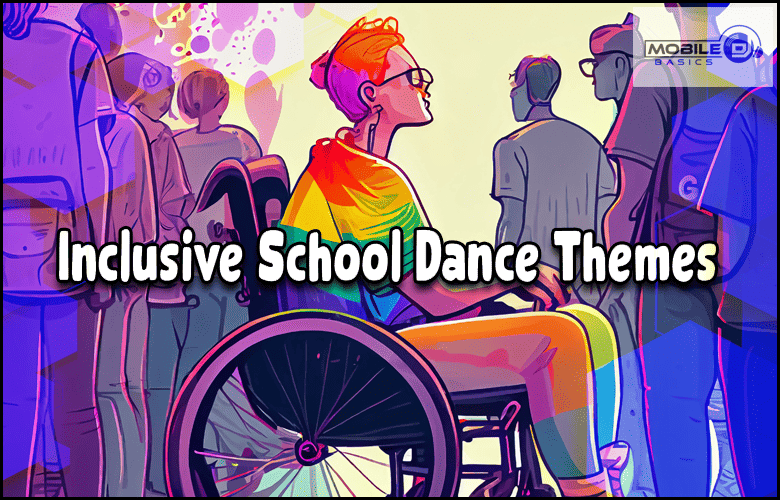
Inclusive School Dance Themes create memorable experiences where every student feels welcome and represented. These thoughtfully designed celebrations bring communities together through universal concepts that resonate across different backgrounds, interests, and identities.
Planning an inclusive dance means choosing themes that avoid cultural appropriation while embracing diversity. The goal is creating an environment where all students can participate authentically without feeling excluded or uncomfortable.
TL;DR
- Universal themes like “Decades Through Time” or “Galaxy Night” work for 95% of students regardless of background.
- Avoid themes that appropriate specific cultures or require expensive costume elements that exclude students.
- Offer 3-4 decoration zones within one theme so different friend groups can find their preferred atmosphere.
- Survey students 4-6 weeks before the event to gauge interest in potential themes and gather accessibility needs.
Inclusive School Dance Themes That Welcome Everyone
The best inclusive themes focus on shared experiences rather than specific cultural elements. Time periods, natural phenomena, and fantasy concepts work particularly well because they don’t exclude students based on background or financial resources.
Consider themes that allow for multiple interpretation styles. A “Night Under the Stars” theme lets students express themselves through astronomy, mythology, or simple elegance without requiring specific cultural knowledge.
Time-Based Themes
- Decades Dance – Multiple music eras represented in different areas of the venue.
- Future Forward – Sci-fi elements without requiring expensive costumes.
- Timeless Elegance – Classic sophistication that works with any formal wear.
- Retro Rewind – Nostalgic elements from multiple decades simultaneously.
Nature and Space Themes
- Enchanted Forest – Natural elements appeal across cultures and budgets.
- Galaxy Night – Universal fascination with space and stars.
- Seasonal Celebration – Weather and seasons as common experiences.
- Ocean Dreams – Underwater themes work with simple blue decorations.
Creating Multiple Spaces Within One Theme
Design different zones within your venue to accommodate various comfort levels and social preferences. This approach lets students choose their ideal environment while maintaining theme unity.
A “Mystical Night” theme might include a quiet constellation corner for introverted students, an active dance floor with fog effects, and a social area with ambient lighting. Each space feels distinctly different while supporting the overall concept.
Budget-Friendly Inclusion
Partner with local businesses to provide free costume accessories or host a swap meet where students can exchange formal wear. This removes financial barriers to participation.
Accessibility Considerations
Physical accessibility extends beyond wheelchair access to include sensory considerations. Provide quiet spaces for students who need breaks from loud music or bright lights.
Consider students with different social comfort levels by creating both high-energy and calm spaces. Some students thrive in crowded dance environments while others prefer smaller conversation areas.
Themes to Approach Carefully
Certain theme categories require extra consideration to avoid excluding or appropriating. Cultural themes should only be used when representing your own school’s diverse population authentically.
Avoid themes that require expensive elements like specific designer items or elaborate costumes. School Dance Themes work best when students can participate meaningfully regardless of their family’s financial situation.
Better Alternatives to Problematic Themes
- Instead of “Around the World” – Use “Travel Through Time” focusing on historical eras.
- Instead of “Bollywood Night” – Choose “Movie Magic” celebrating all film genres.
- Instead of “Safari Adventure” – Try “Wildlife Conservation” with educational elements.
- Instead of “Fiesta” – Select “Festival of Lights” incorporating various celebration traditions.
Student Input and Planning Process
Survey your student body early in the planning process to understand their preferences and needs. Ask about accessibility requirements, music preferences, and theme suggestions from different cultural perspectives.
Form a diverse planning committee that represents various student groups within your school. This ensures multiple viewpoints influence decisions about decorations, music, and activities.
Effective Survey Questions
- Theme preferences. Offer 5-6 options and space for write-in suggestions.
- Accessibility needs. Ask about mobility, sensory, or dietary accommodations needed.
- Music variety. Request genre preferences to ensure diverse playlist representation.
- Budget concerns. Gauge whether costume requirements affect participation decisions.
Music and Entertainment Considerations
Inclusive entertainment means programming music that reflects your school’s diversity while maintaining dance floor energy. Work with your DJ to create playlists that cycle through different genres and decades.
Consider live entertainment options like student talent showcases that highlight your school’s unique abilities. High School Talent Show formats can be adapted for shorter dance interludes.
Programming Balance
- 40% Current hits – Popular songs most students recognize.
- 30% Genre variety – Hip-hop, pop, rock, country, and international hits.
- 20% Classic dance – Timeless songs that span generations.
- 10% Student requests – Live requests handled appropriately by your DJ.
Decoration and Visual Elements
Choose decorative elements that students can easily recreate at home if they want to match the theme. Simple color schemes work better than complex cultural symbols that might be misunderstood or inappropriate.
Focus on lighting and atmosphere rather than elaborate props that require significant budgets. String lights, colored gels, and fabric draping create sophisticated looks without cultural specificity.
Frequently Asked Questions
How do we choose between several popular theme options?
Use anonymous voting with your diverse planning committee, then survey a representative sample of the student body. Choose themes that receive broad support rather than passionate minorities.
What if students want themes that might exclude others?
Explain the goal of school-wide participation and offer alternative themes that capture similar energy without exclusionary elements. Focus on the positive aspects of inclusion rather than restrictions.
How can we accommodate different music preferences?
Create designated time blocks for different genres and use multiple areas with varying volume levels. Most professional DJs can blend genres smoothly throughout the evening.
Should we provide costume accessories for students?
Yes, basic accessories like glow sticks, masks, or simple props help students participate without requiring purchases. Partner with local businesses or use fundraising money for these supplies.
Final Thoughts
Inclusive School Dance Themes create lasting positive memories when they welcome all students authentically. The most successful dances focus on universal experiences that let every student participate meaningfully.
Start planning with inclusion as your primary goal, and you’ll discover creative solutions that make your event more memorable for everyone involved.
Subscribe to Our Newsletter

From discovering new songs to getting more gigs, I’m excited to share the wealth of knowledge I’ve gained through many years of DJing. [email protected]